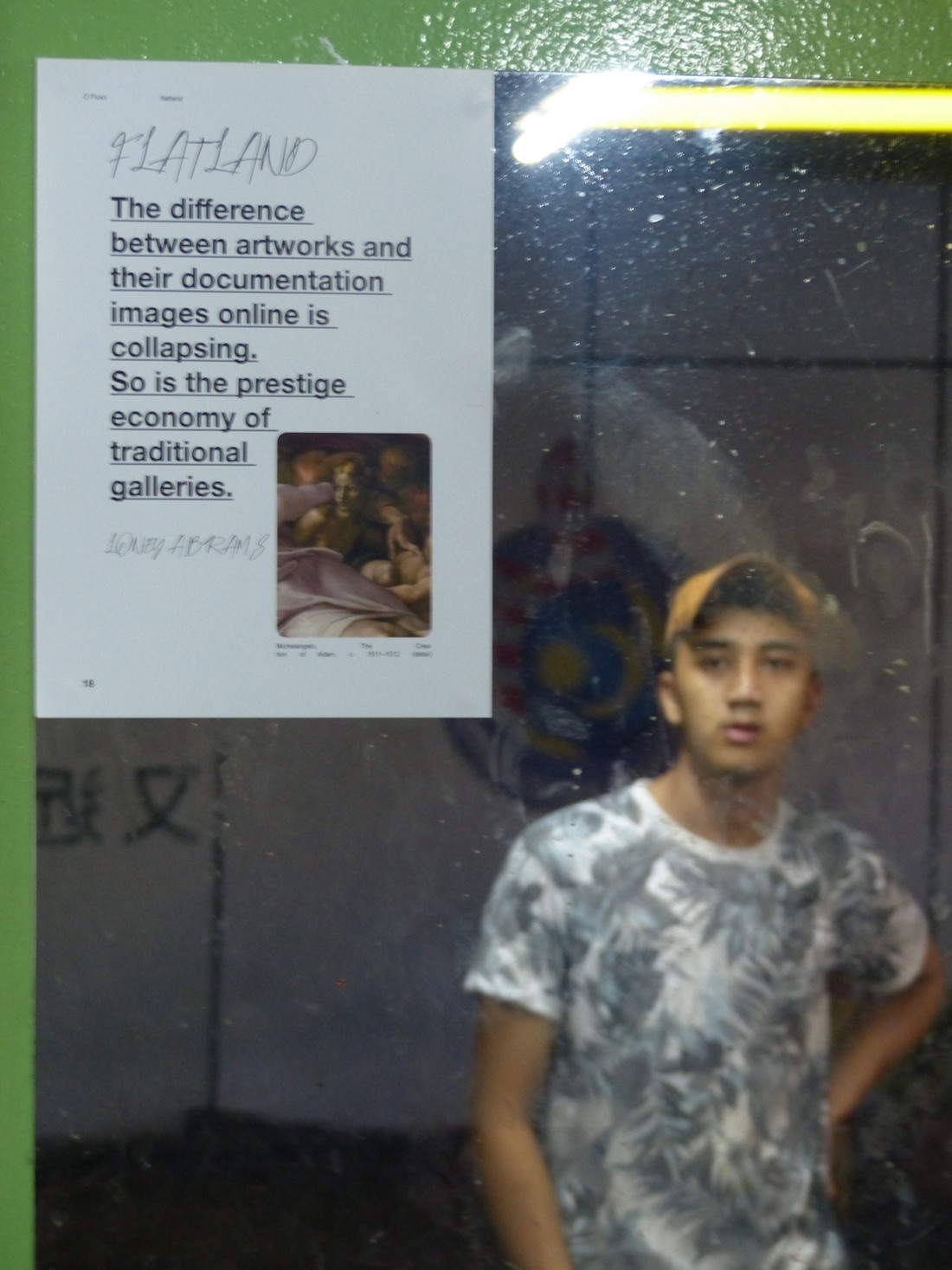
“The gallery is no longer the primary exhibition space; the Internet is.” — Loney Abrams
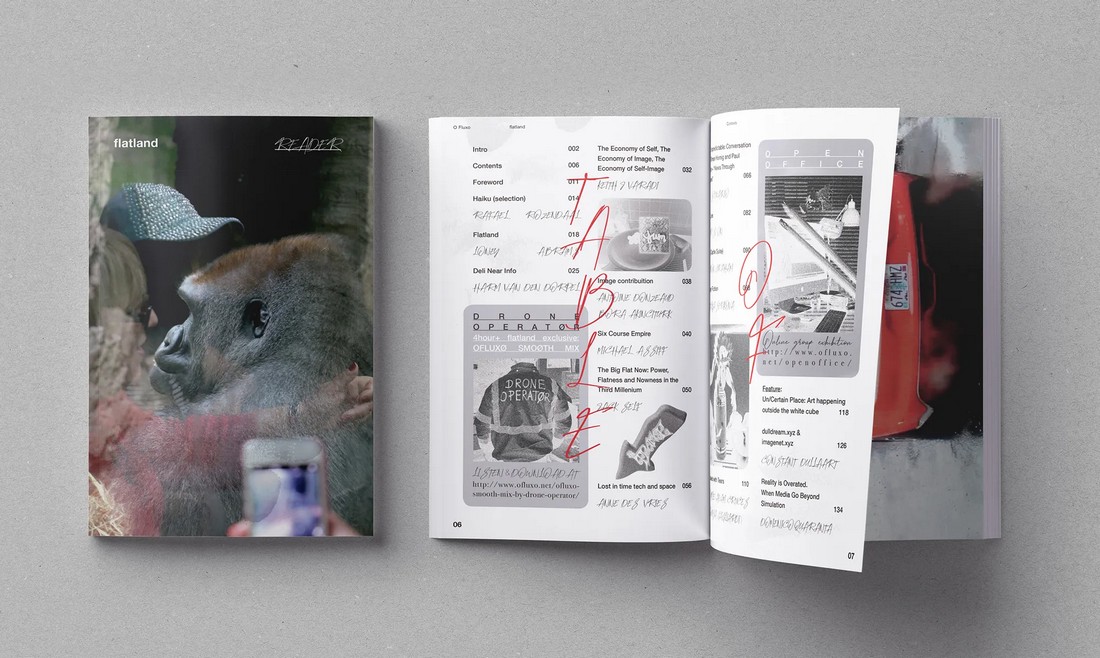
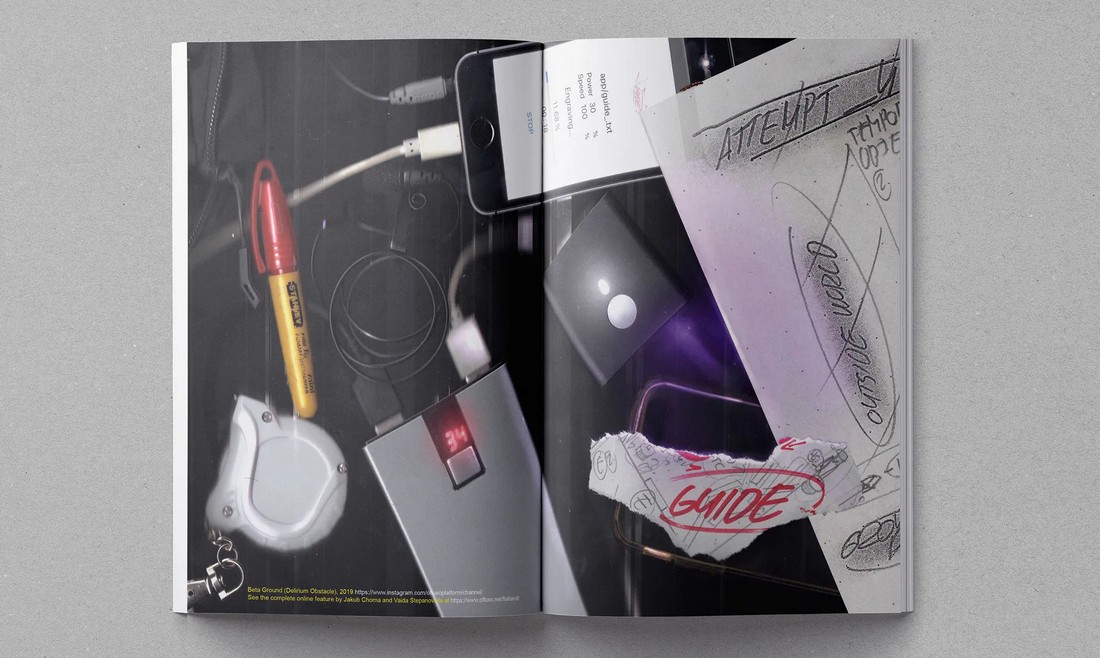
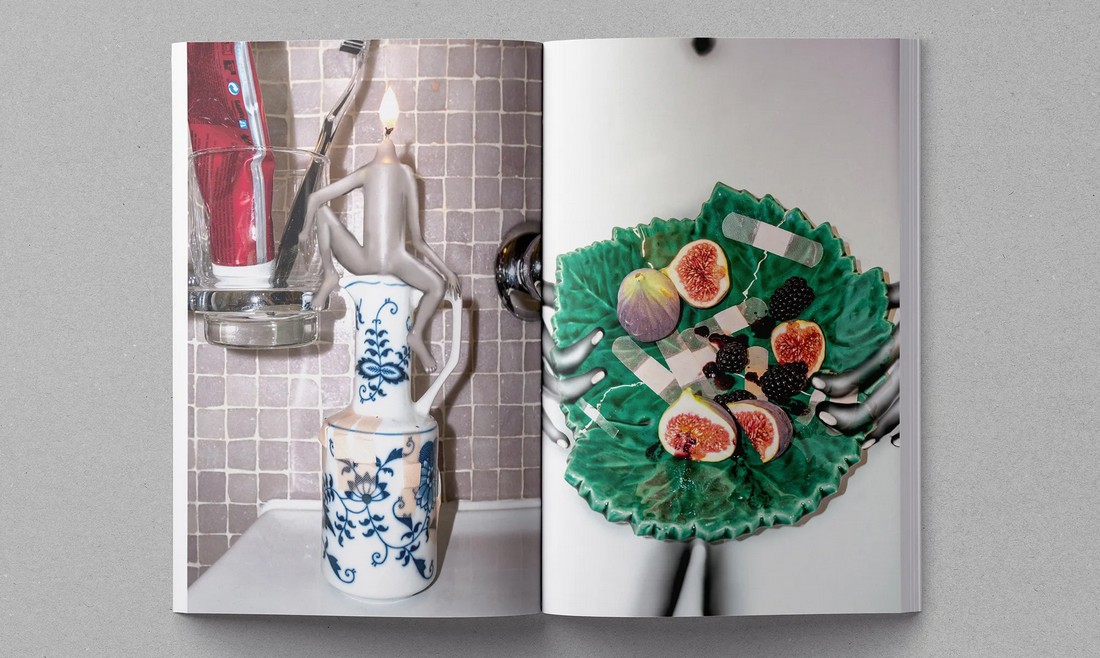
During a course of almost three years, flatland explored several different ideas about art for online audiences, presenting a continuous feed of articles that tapped into the growing movement of generating art documentation as a medium on its own, to be displayed only for the online viewer, on the flat screen.
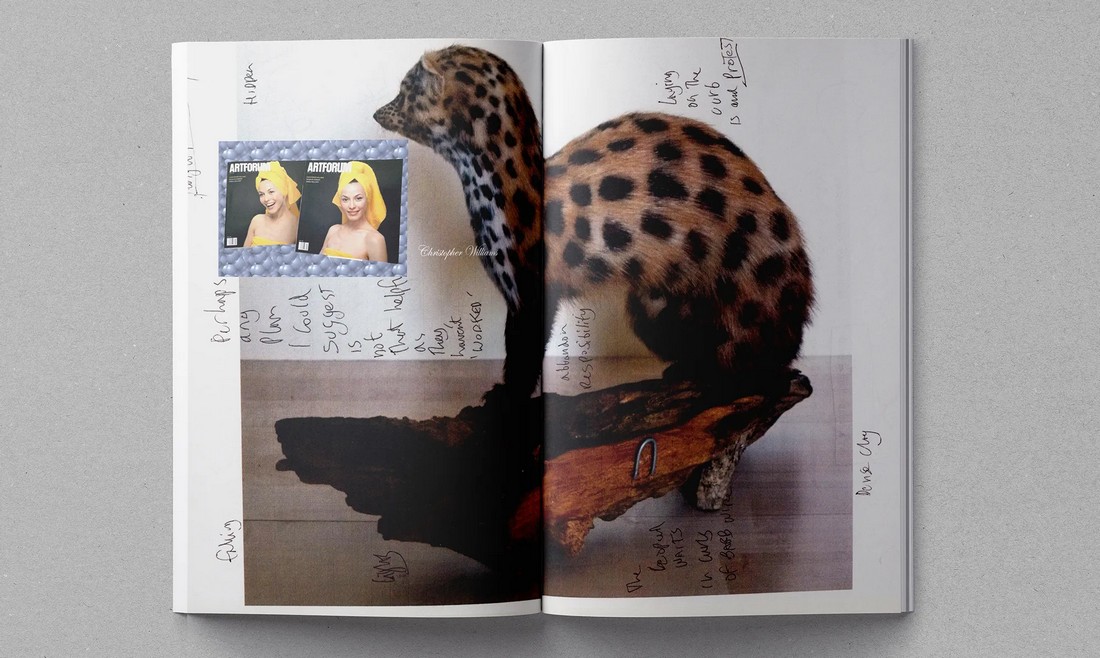
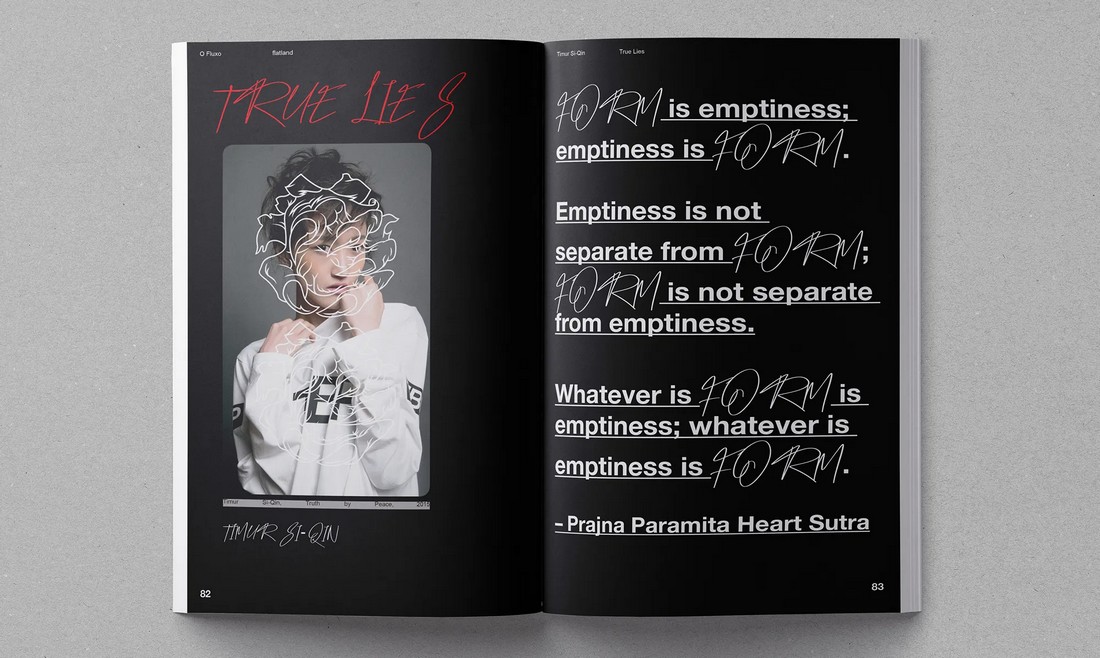
Flatland reader presents a collection of art and theory that analyzes today’s post-digital conditions — the act of blurring the boundaries between the physical and the digital by generating art documentation as a medium on its own strictly for the online audience.
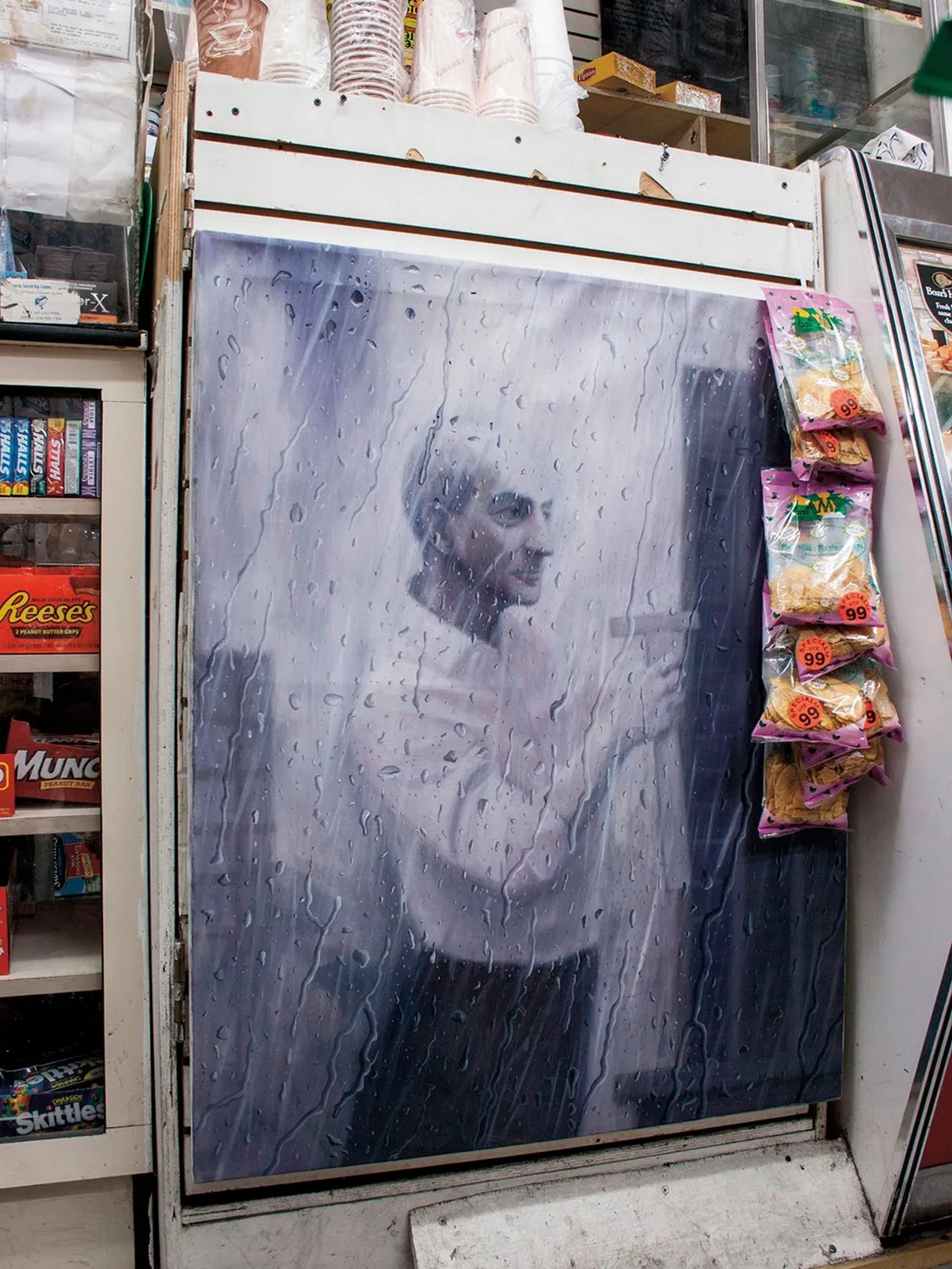
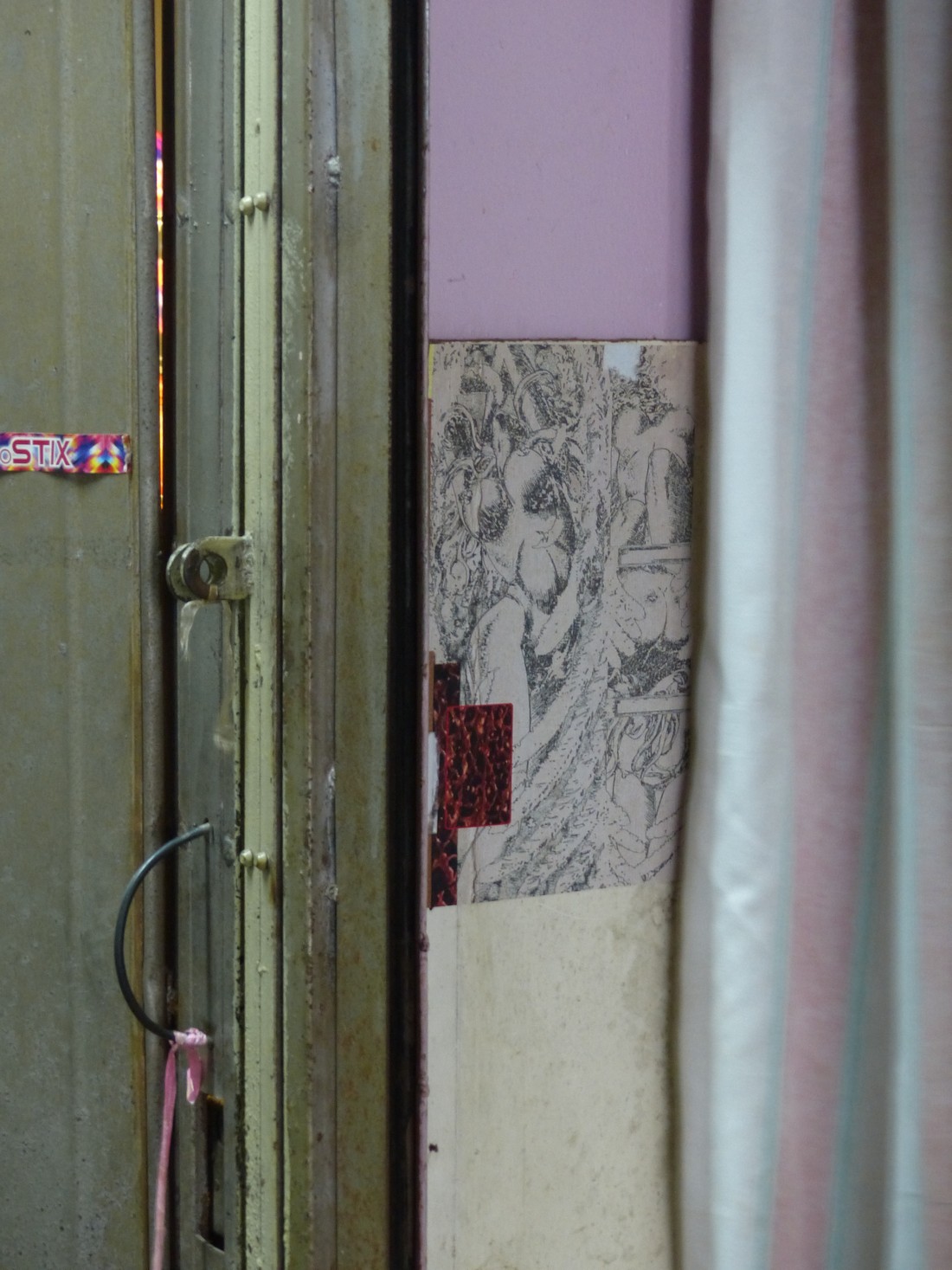
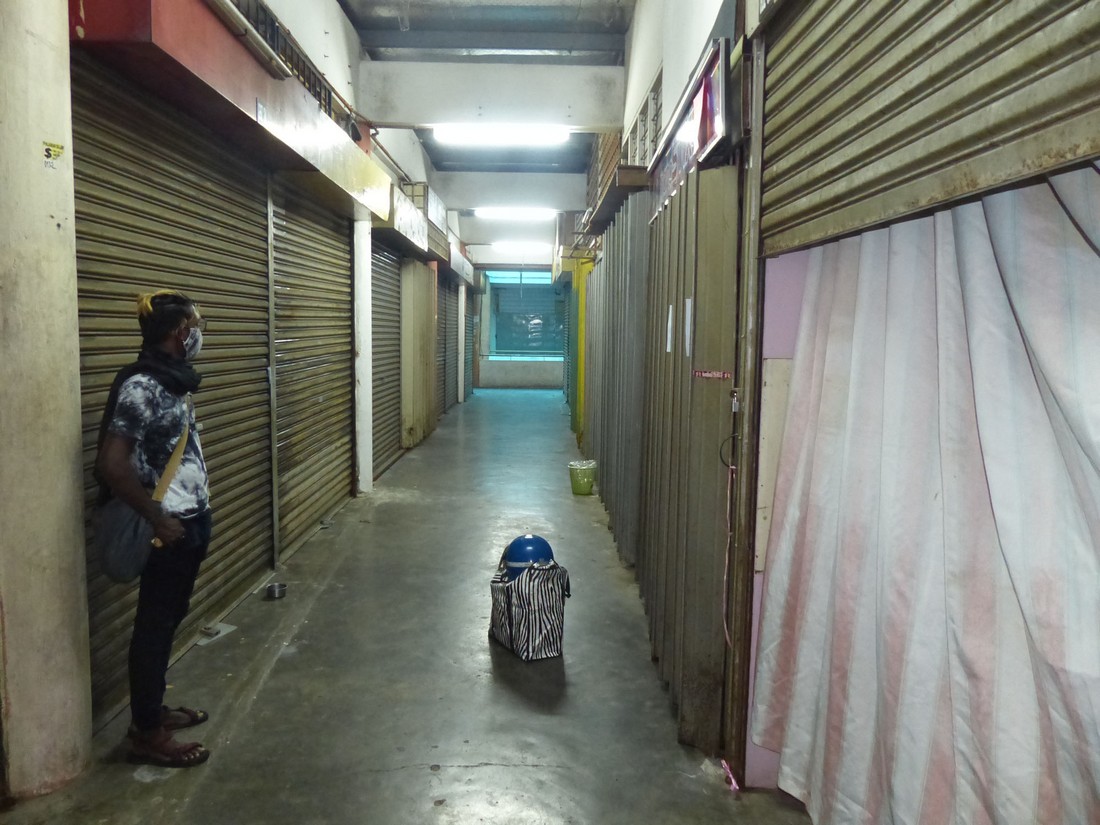
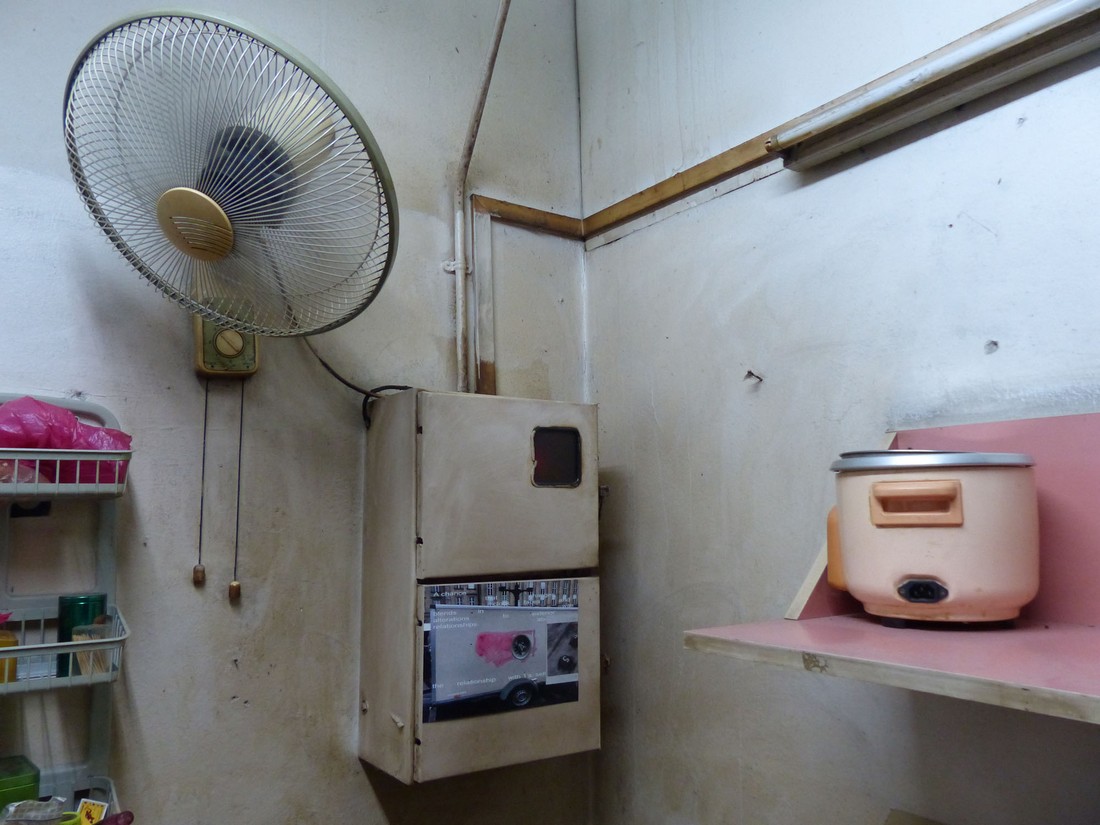
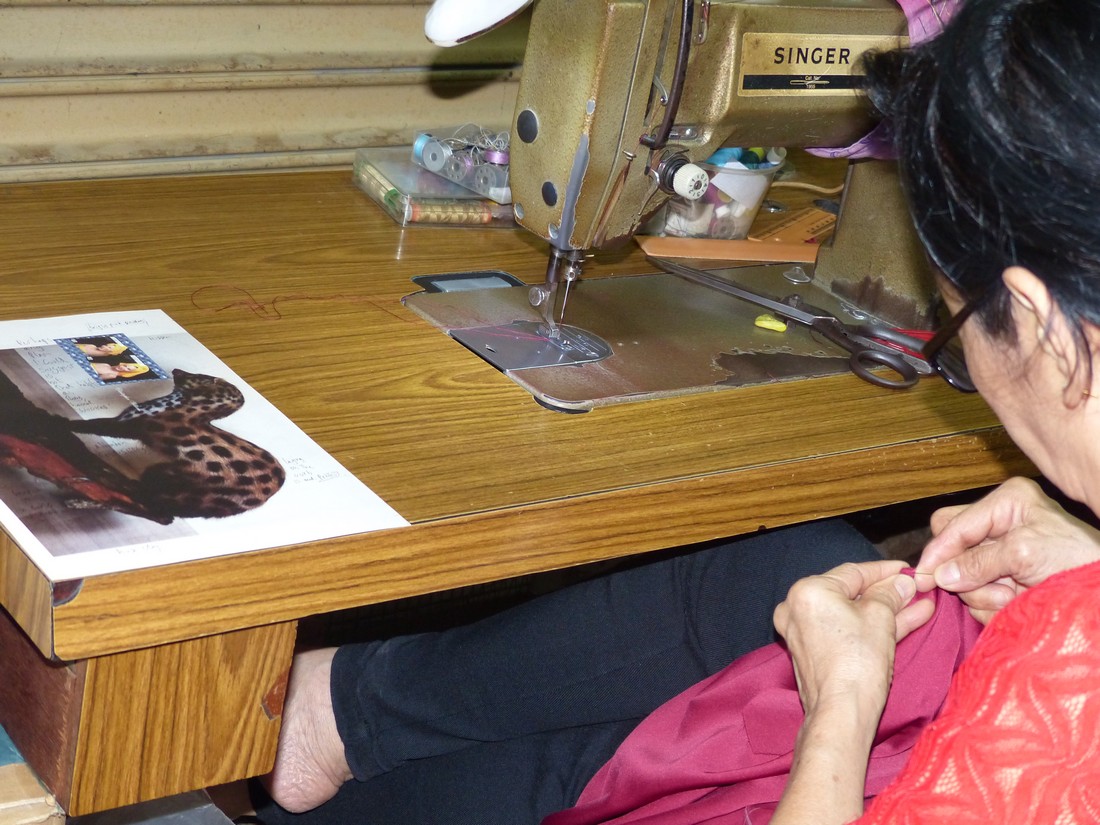
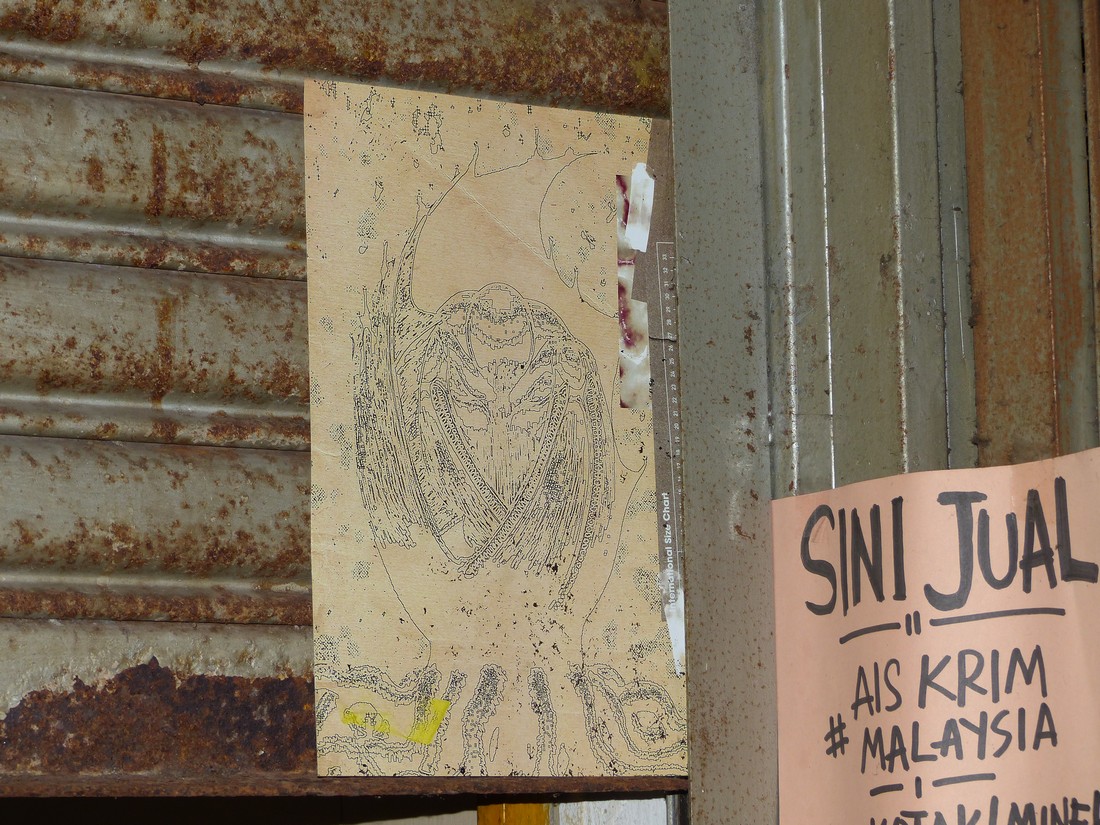
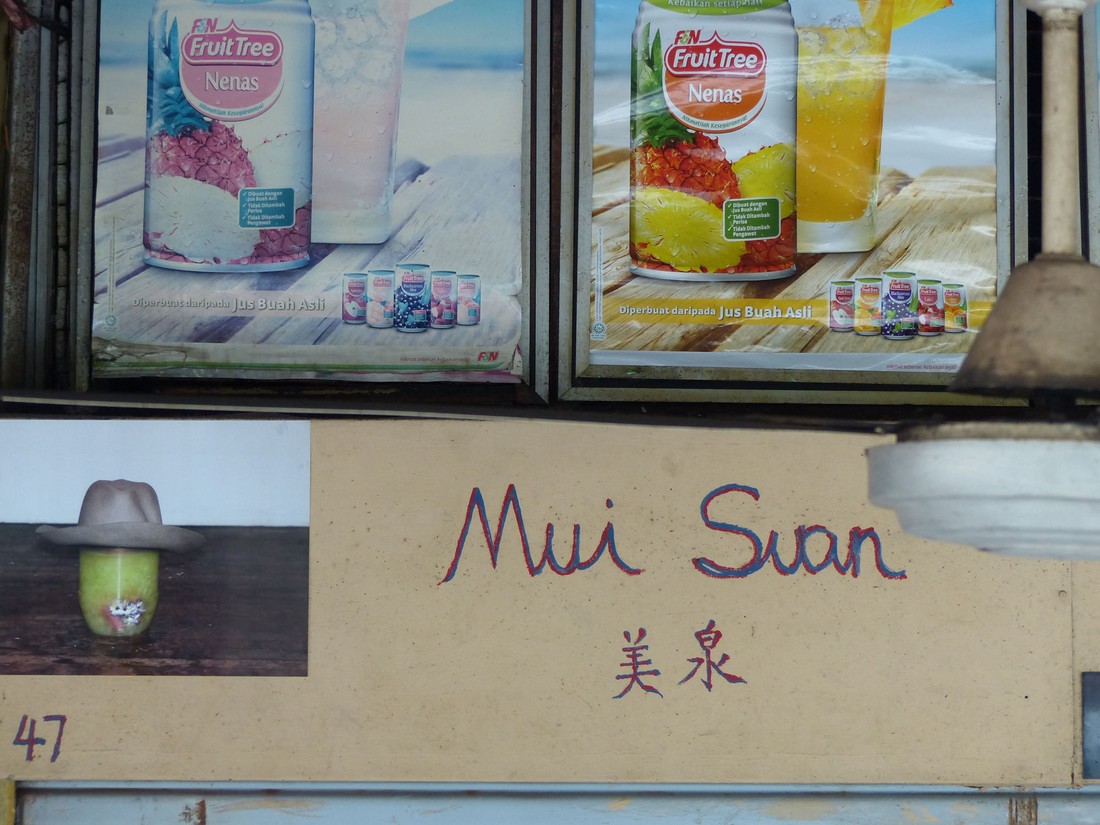
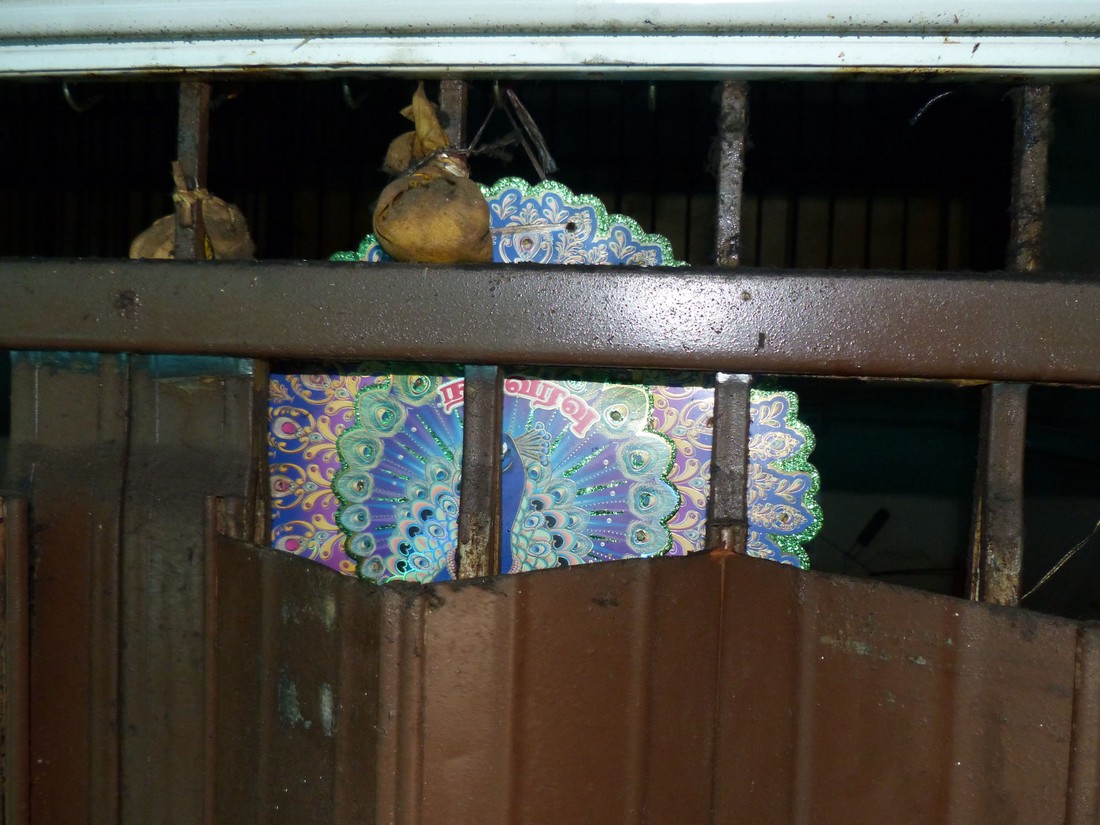
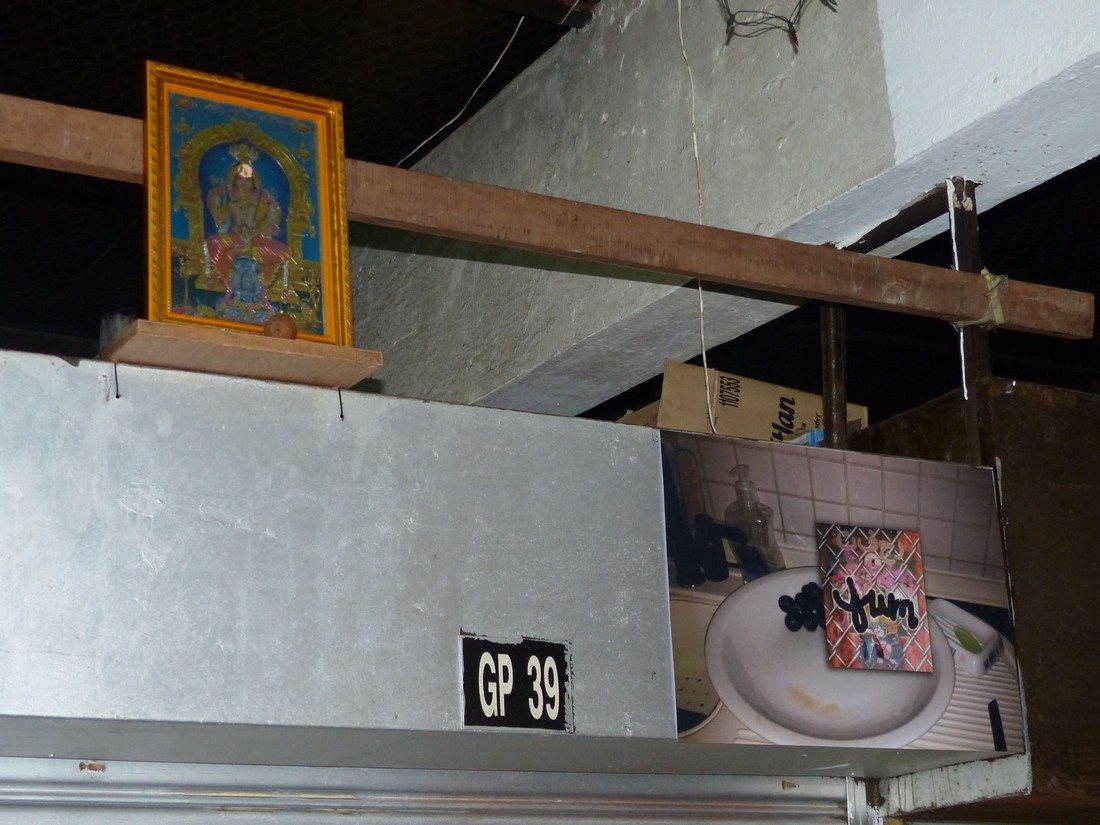
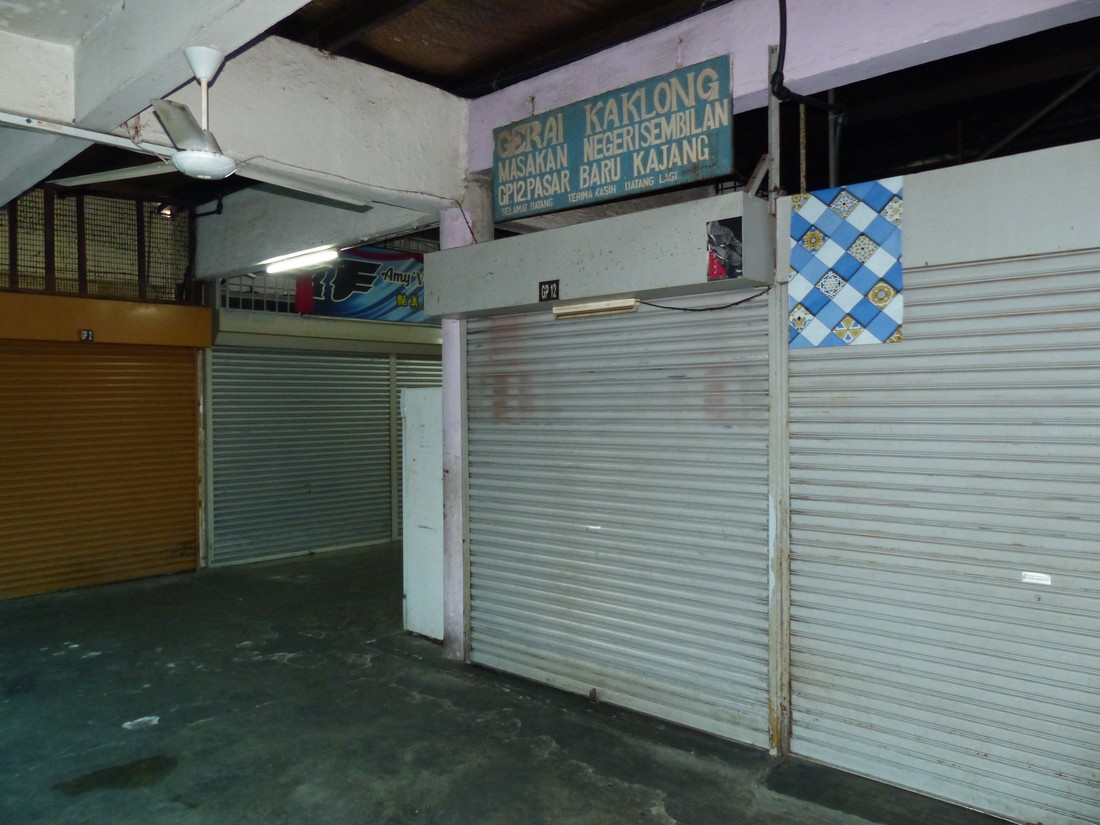
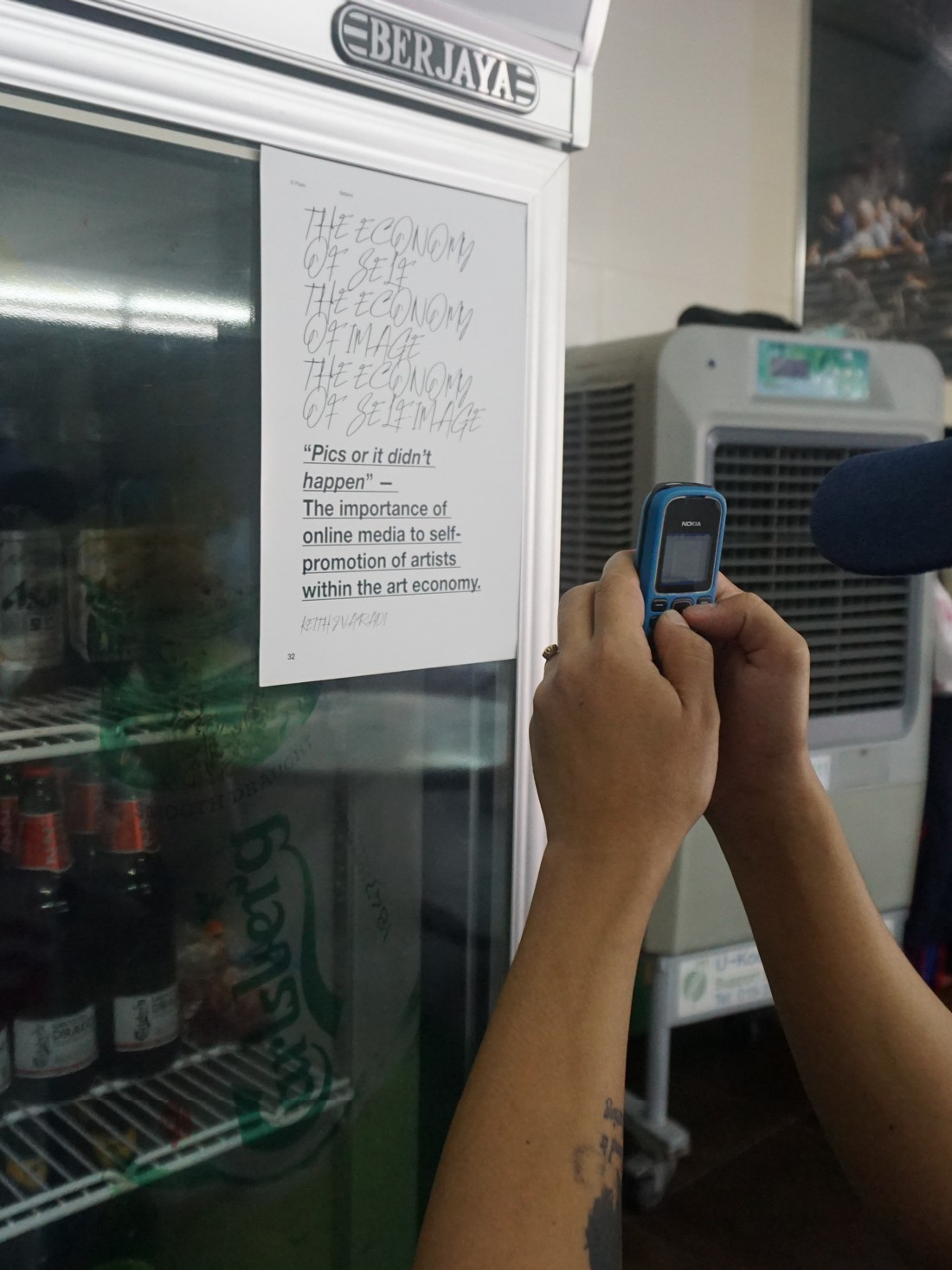
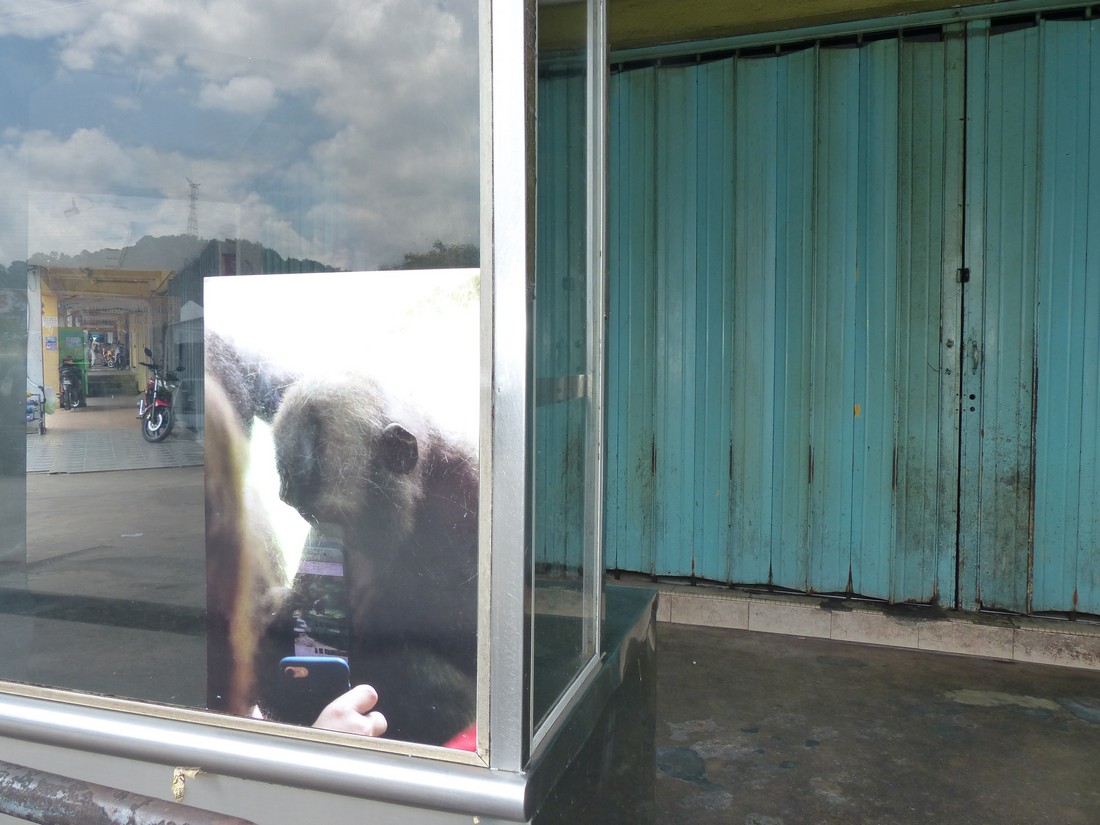
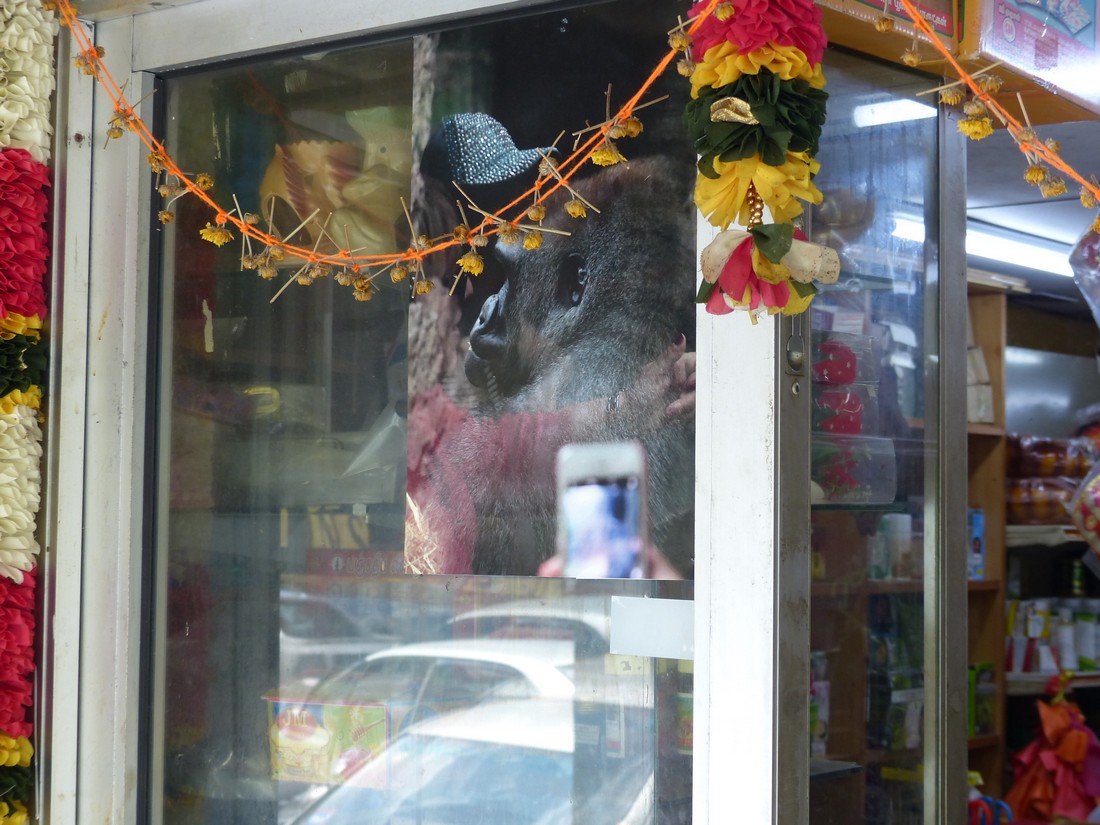
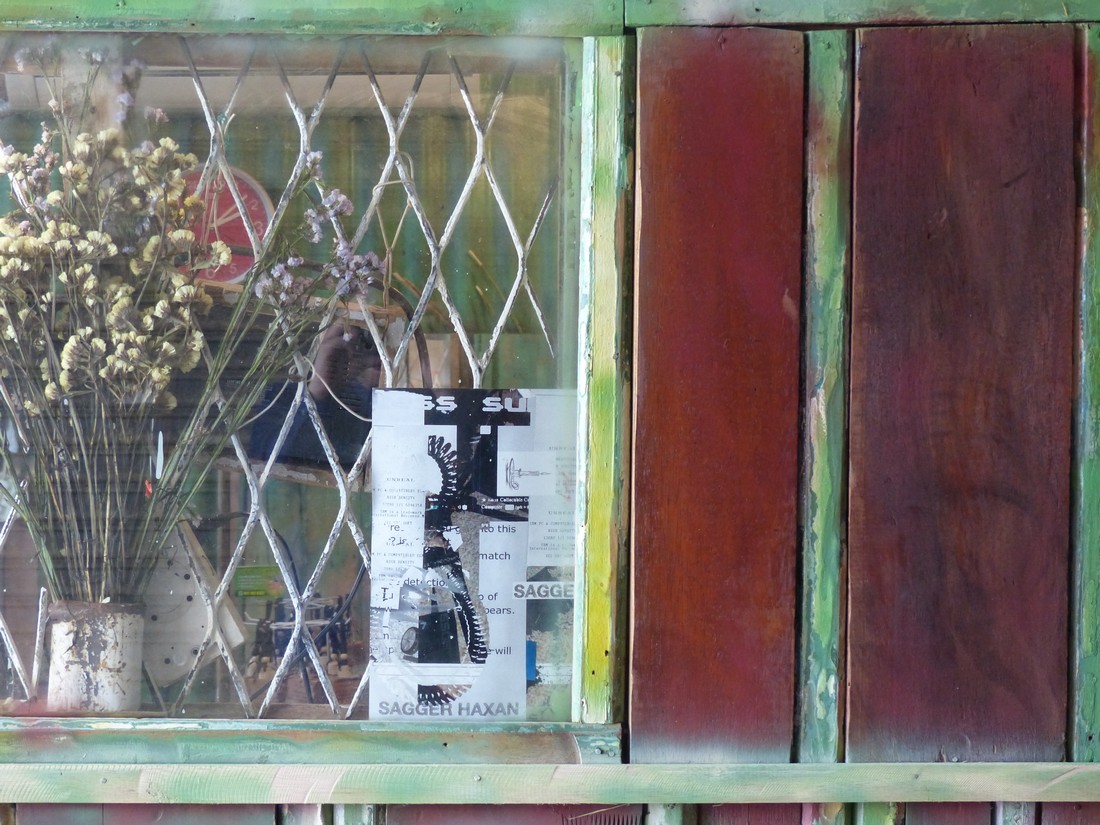
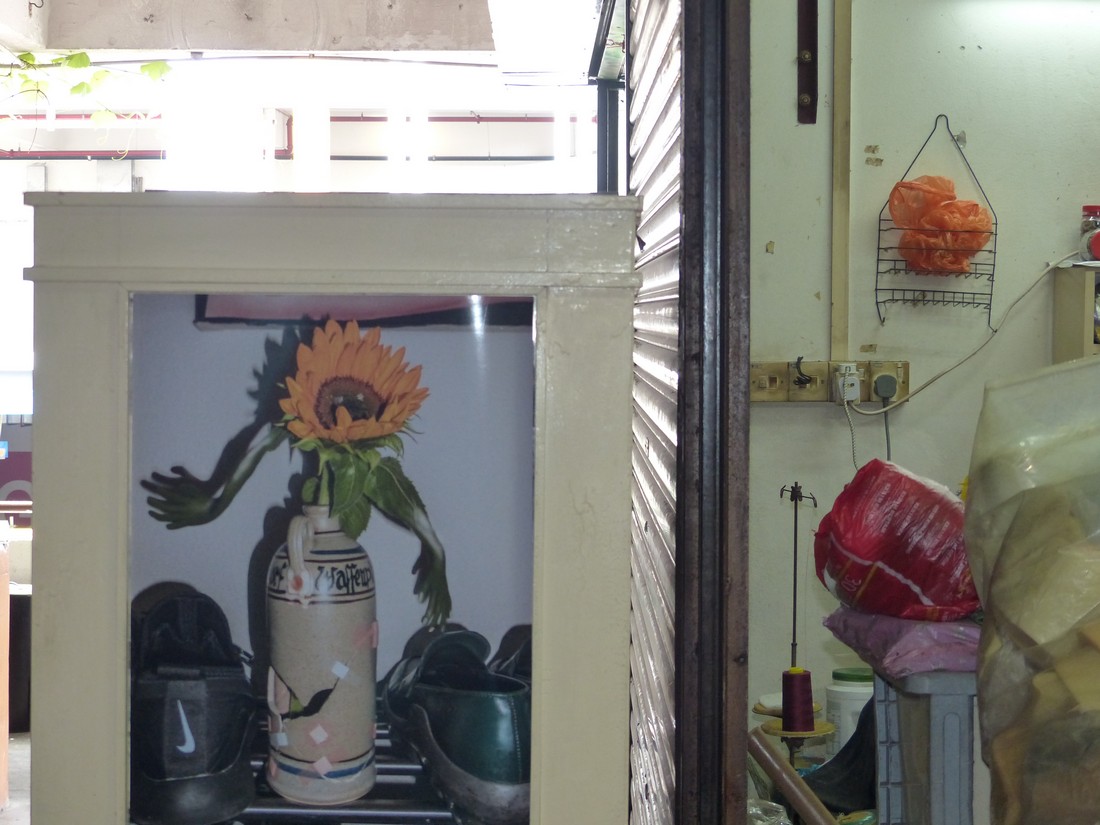
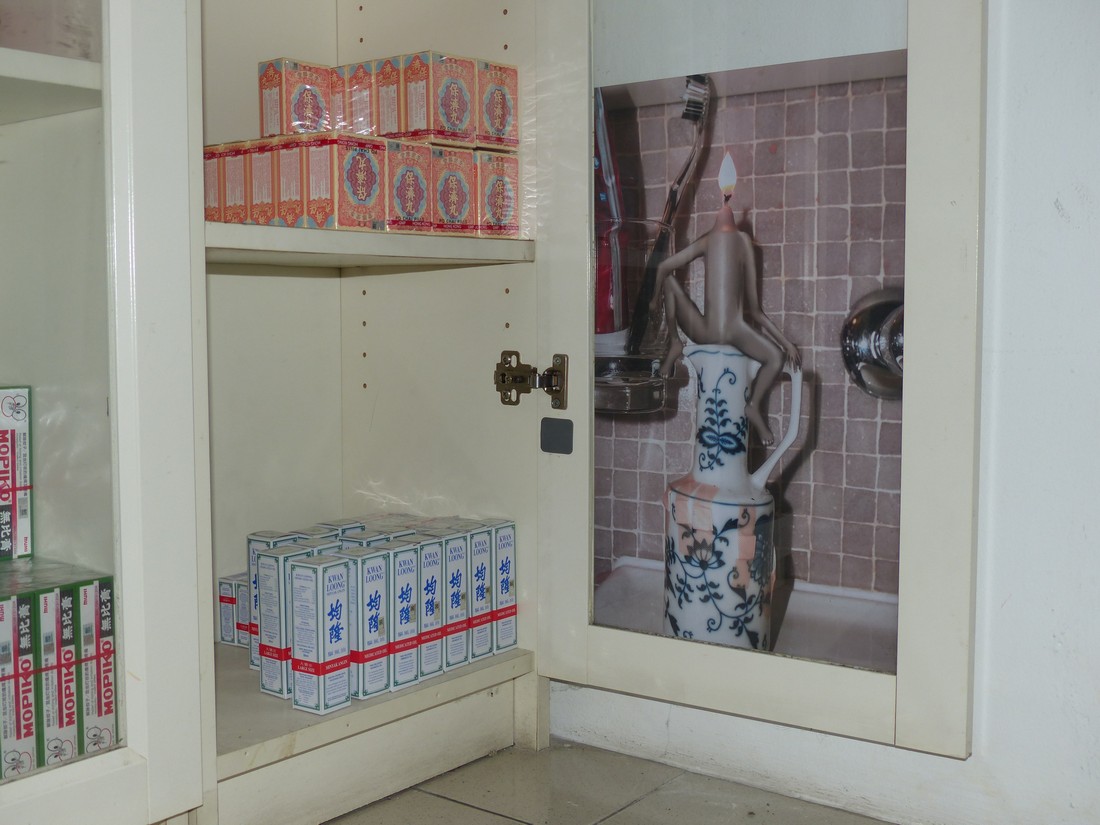
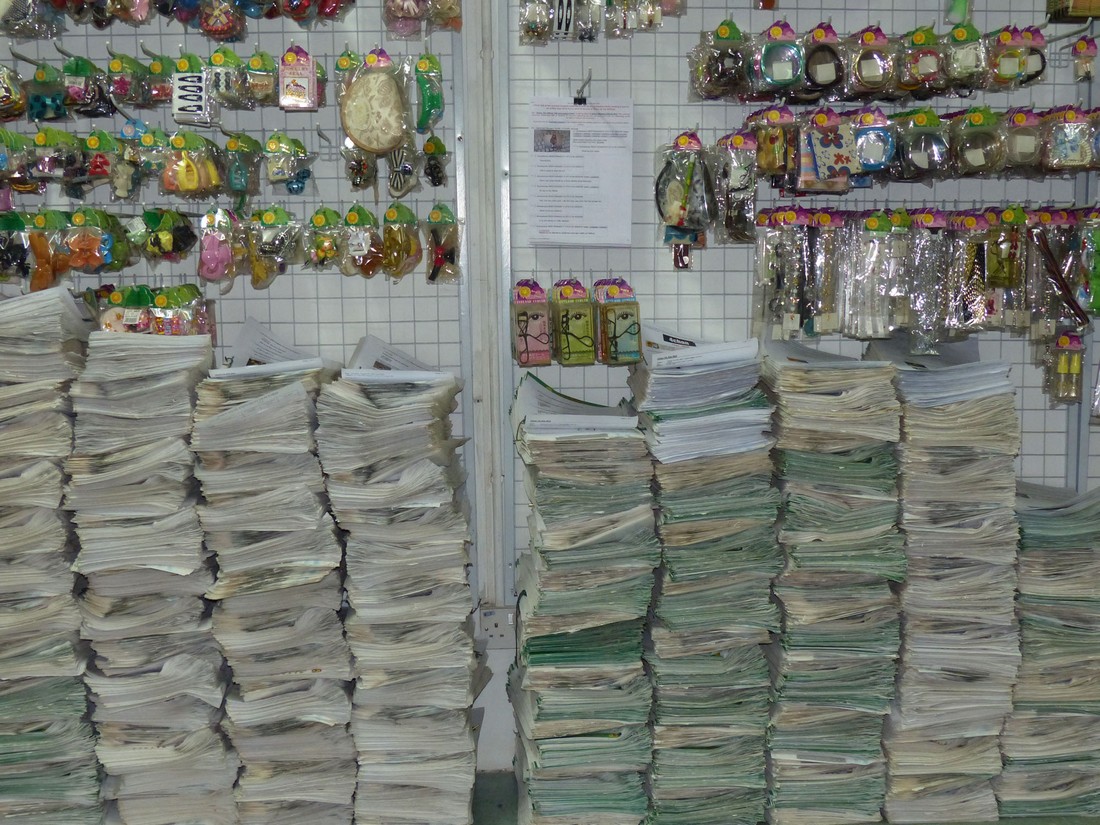
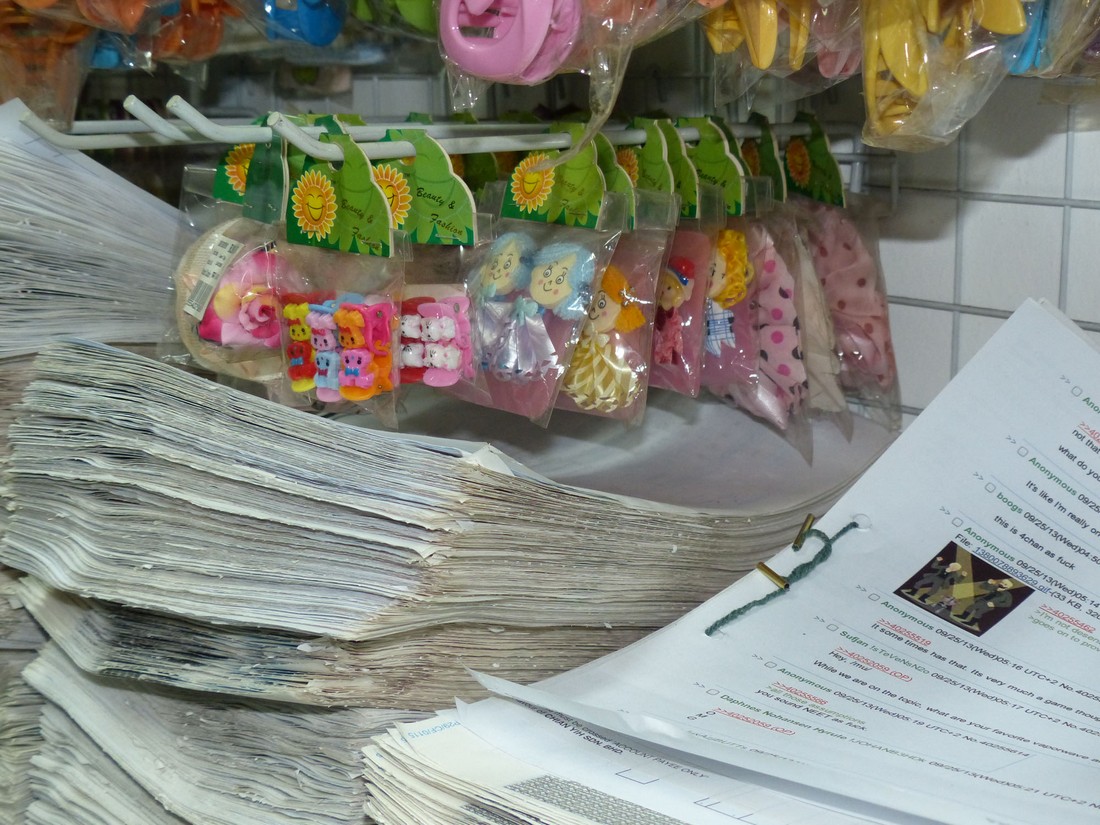
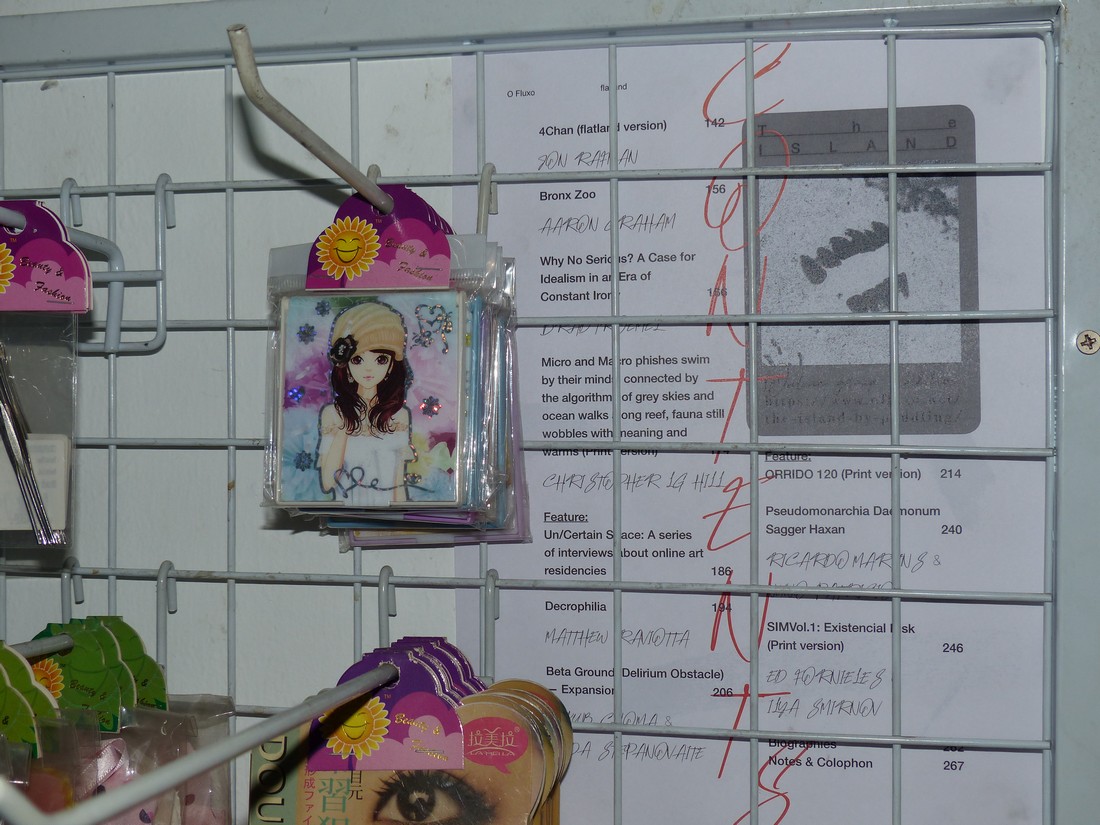
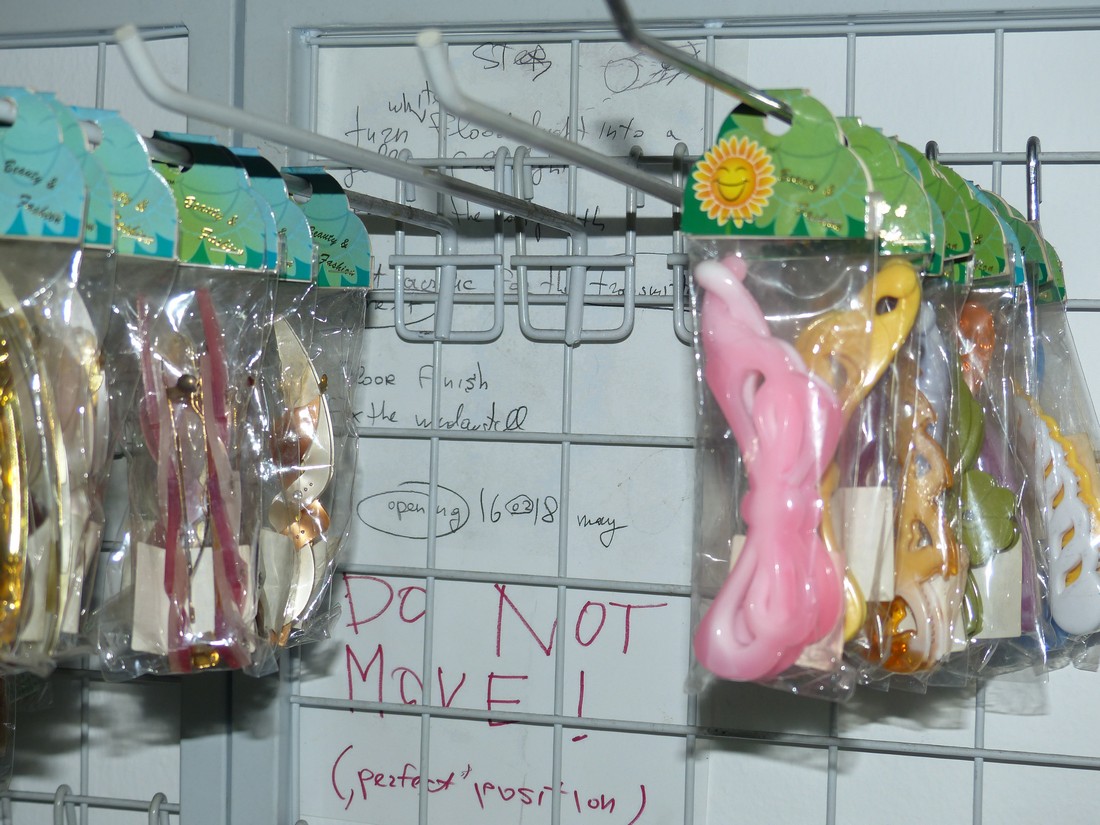
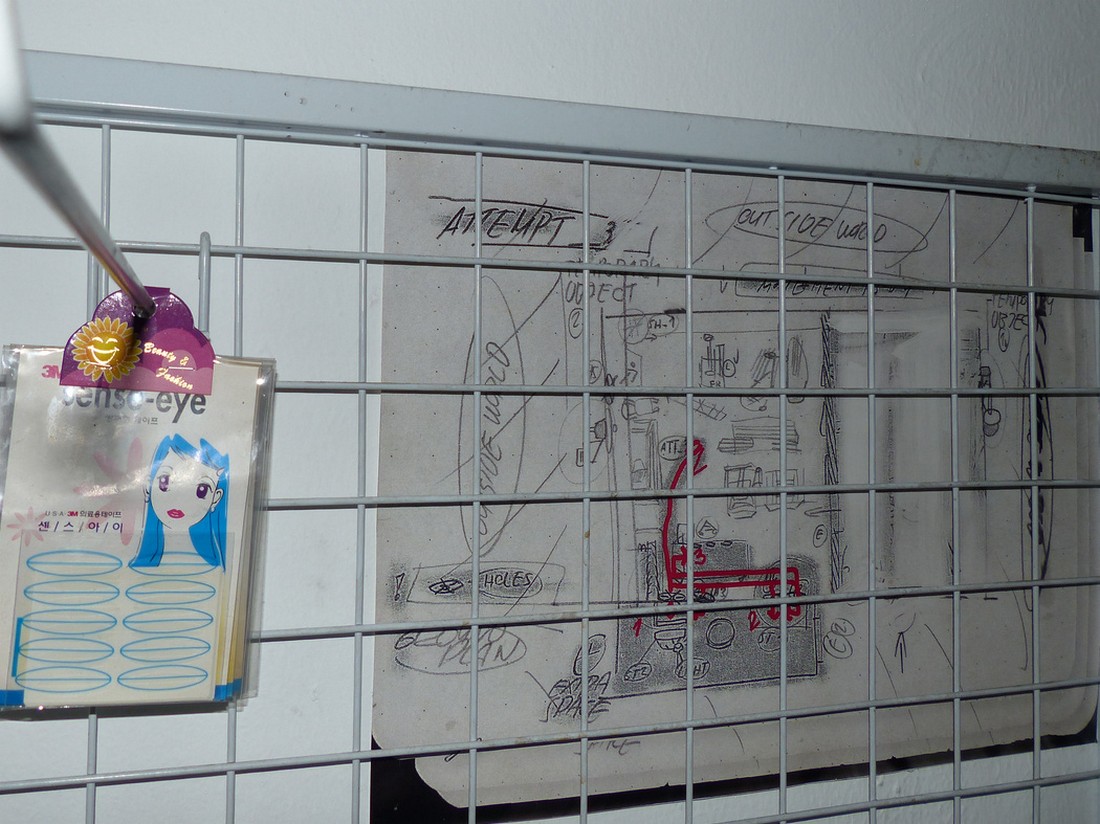
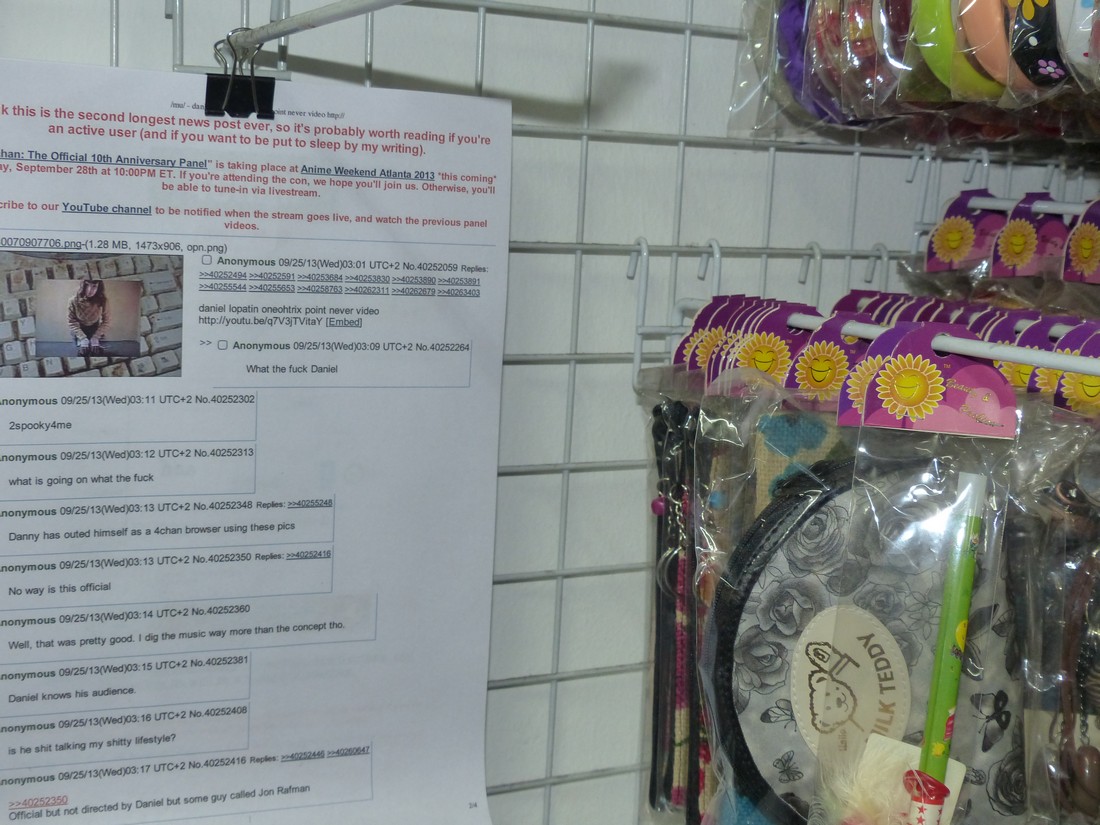
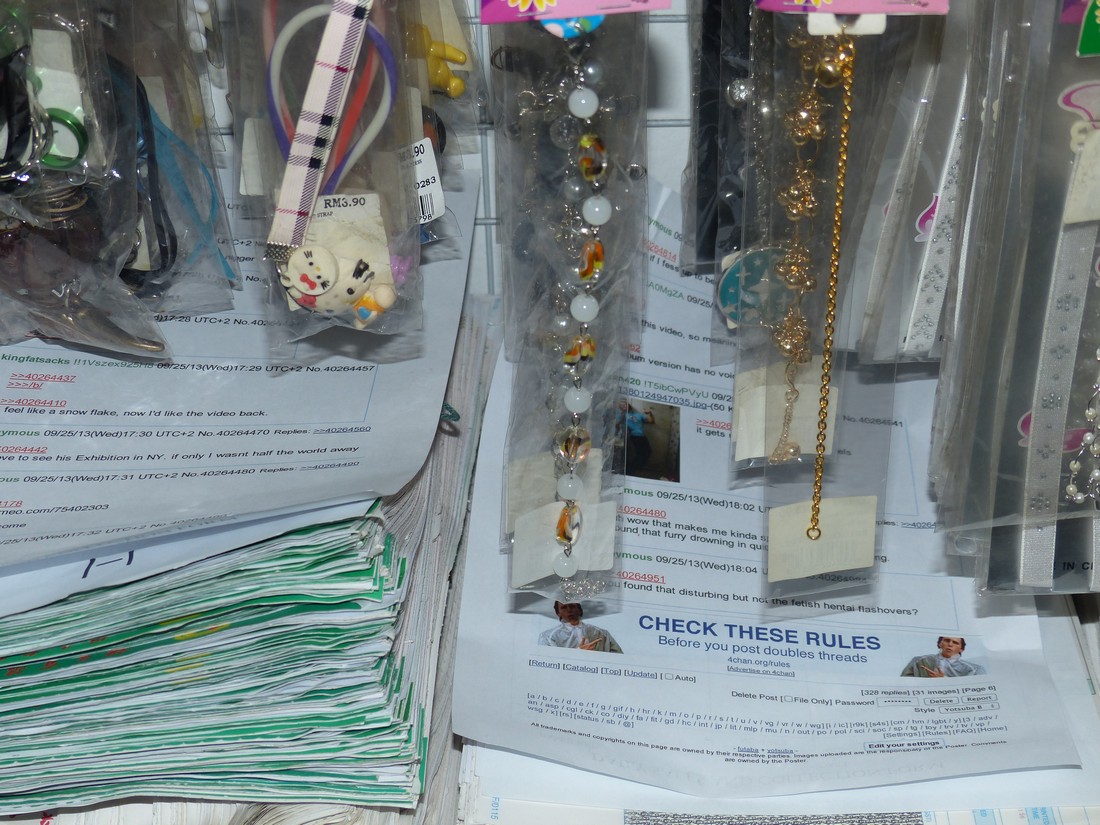
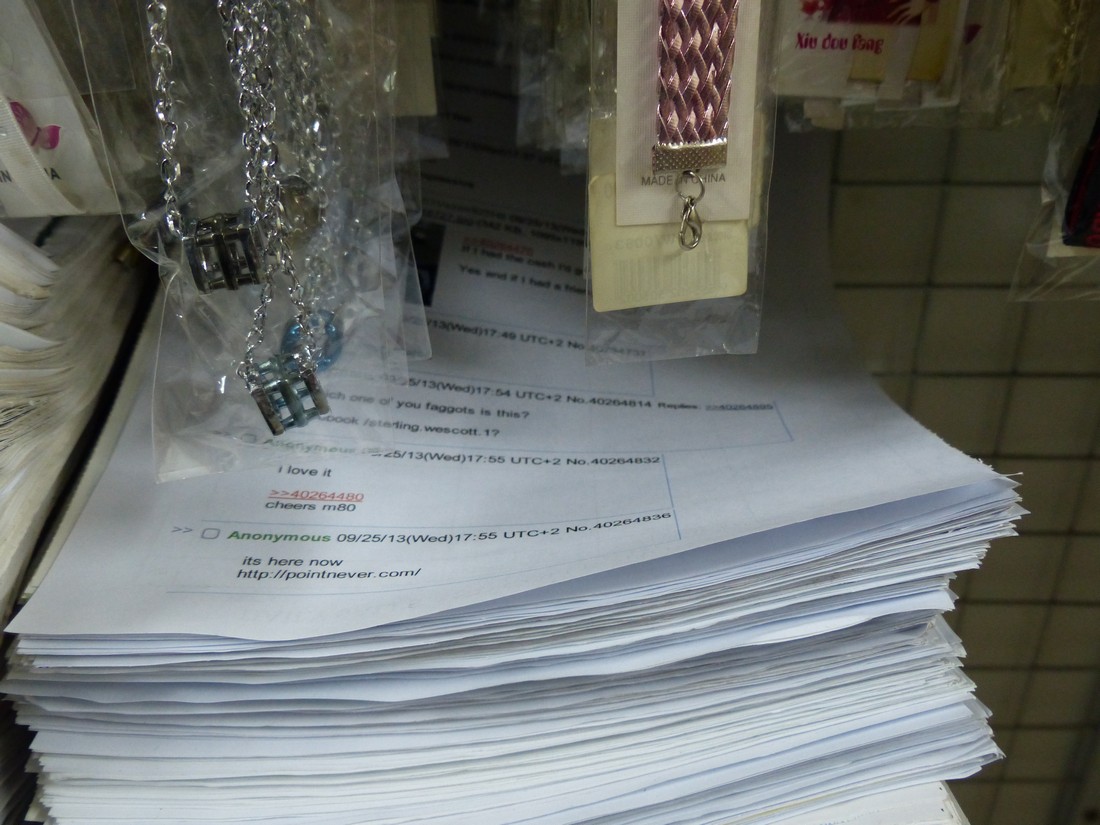
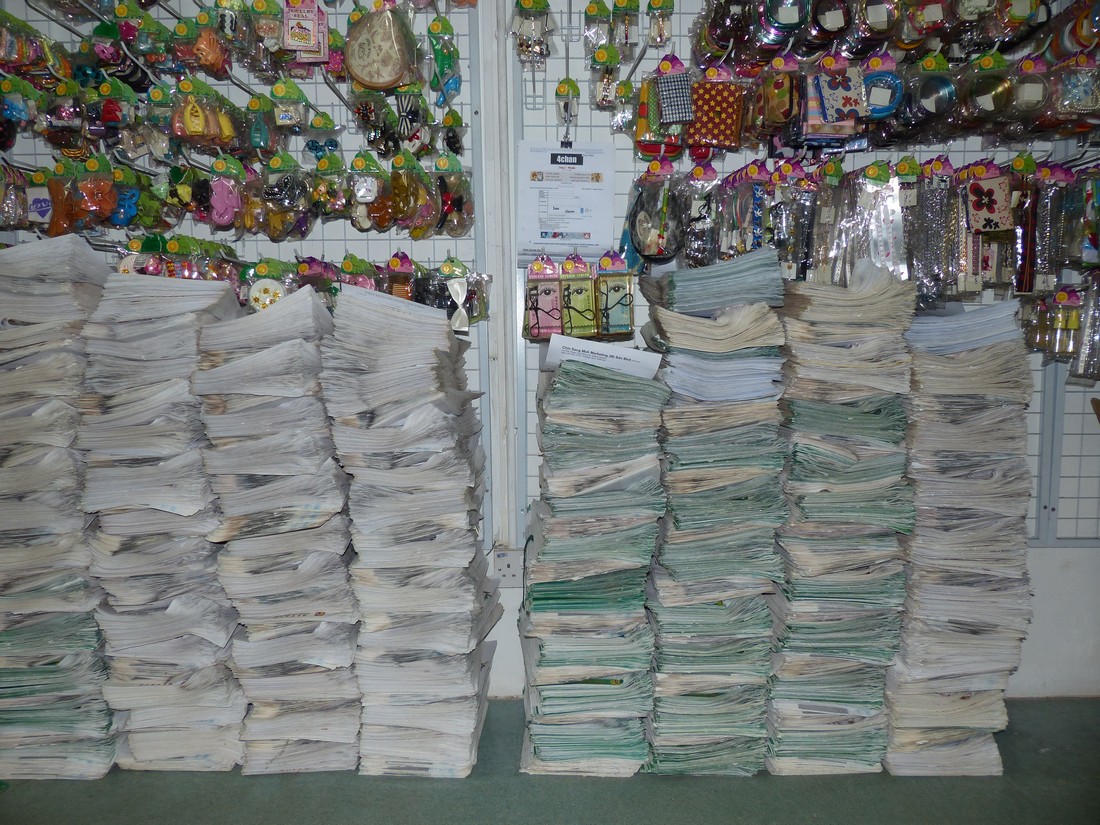
The 2020 exhibition is staged inside a partially-closed wet market, which is a point of convergence: the reader compiled an index defined by the speculative feedback loops of the post-internet screen; the exhibition arrives at a similar horizon through a concurrent but distinct lineage of post-offsite practices that have been formed through the operational necessity of navigating unsorted, hyper-local urban spaces and rural interzones at the density of networked visual culture.
Post-offsite practise is a relationship toward images and image-making activity in a world where, as Jack Self says in The Big Flat Now, "cultural production [...] is totally flat" and present-day strategies find and exploit the structural weaknesses of the flat condition, undifferentiated "between physical space and virtual time". Moving from object to screen, from screen to object and back online, the exhibition operates through repeated devirtualization and revirtualization, producing a kind of destabilized consecration as the condition of the work's ecstasy.
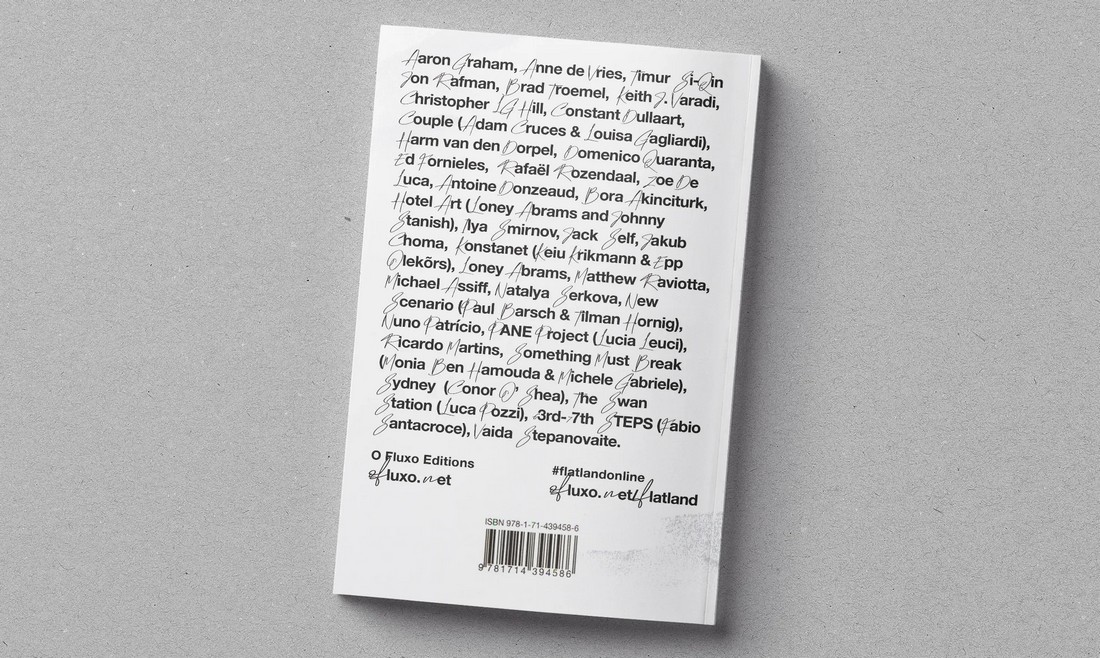
ft. works by Aaron Graham, Bora Akinciturk, Couple (Adam Cruces + Louisa Gagliardi), Nuno Patrício, Annes de Vries, Christopher LG Hill, Ilya Smirnov + Ed Fornieles, Jon Rafman, Ricardo Martins, Matthew Raviotta, Michael Assiff
art direction: halo
photography: redo.pal and halo
thanks to mrs.tuan & c.y sdn.