Rural Wangba and Aesthetics of Vulgarity
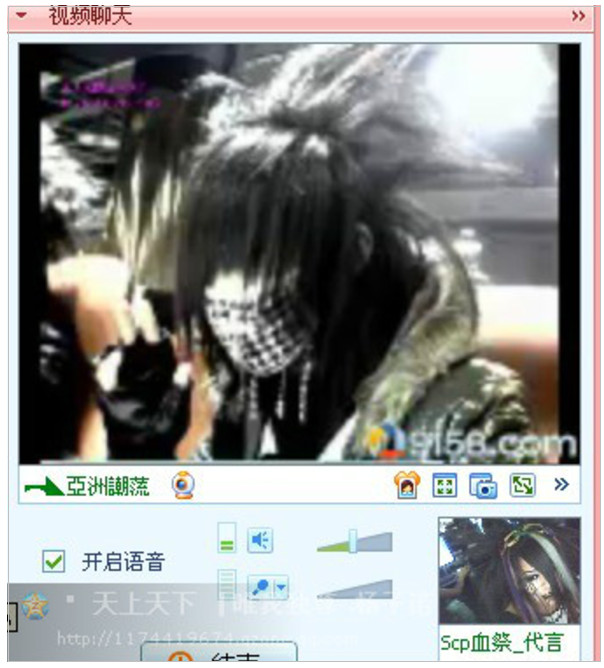
Before leaving his county, Jin Lin used to work at an unnamed factory in Shenzhen, assembling motherboards during day shifts. The pay was meagre, but he could survive by staying at the cheap dorm and eating subpar set dinners at the canteen. The factories, and its adjacent complex of massive living quarters, or urban villages in the local colloquial term, are located at the peripheral of the migrant city. He mostly resisted temptation of visiting the city centre on Sundays and buying anything substantial, not even a non-shanzhai smartphone. While other workmates bought branded smartphones, browsed unaffordable goods in shopping centres, allured by prostitutes at massage parlors, his sole entertainment was baoye at a familiar wangba. Baoye means paying for the whole night, usually for 10rmb instead of paying an hourly rate to stay at the wangba from midnight until early morning. While wallowing in permeating smoke and the scent of cheap cigarettes, he was into browsing Tieba and pixelated images of girls in exaggerated hairstyles, taking selfies in front of the webcam, uploading them to QQzone, and talking to others in his Shamate clan on QQ. He wrote in QQzone blog with the Martian language input at 3am,
ㄞ隻⒋突繎詴些ńàń鐹っ突繎詴些涳虗っ突繎詴些мΙss尒っㄞ
He was feeling a little melancholic as it seemed fashionable to melancholic. He heard of the “suicide waves” but he was relatively fortunate as his family did not reply on his remittances and he was not in debt. In other words, he was not alienated in the sense that he was rarely bored or overworked. Simple rituals like baoye kept him withdrawn and away from the whirlpools of urban seductions and mental repercussions of capitalist exploitation.
A few years later Jin Lin found himself back at the county, his birthplace but erringly unfamiliar. He largely evaded the daunting urban growth by staying at the contact zone of “connecting region between the city and countryside” but he had to confront this very nausea back home. His county town is now upgraded to a city, a fifth-tier city that is. While his cousins boasted their ventures in Shanghai and the older generation of ex-migrant workers complained about readapting to a quasi-rural life in the county during family dinners, Jin Lin was unbearably bored, perhaps for the first time as he remembered. He never felt nostalgia towards the ordinary urban attractions—high rises, malls and luxuries are irrelevant to him. He is admittedly still attracted to wangbas, which are no longer the centre of internet, for which it is the mobile phone. Most of the members in his Shamate clans have left the cities and started families and worked in “proper” professions, not manufacturing but real estate. The greatest migration in human history seems to be imploding as migrants flow back. Jin Lin was indifferent as he knew he had zero chance in getting a wife.
The county is littered with heiwangba or “black internet bars”, equipped with outdated and dusty hardware, occupied by underage teens playing online games, loitering while skipping school, flirting (both online and offline), smoking, and doing nothing. Just not long ago, a grandma rushed into the wangba with a machete looking for her grandson who had been missing for several days. At another wangba across the county, a primary school kid stabbed another schoolmate because he was told he sucked at League of Legends. Not to mention an unemployed twenty something guy died at another wangba moment he stood up after sitting in the sofa for 36 hours reading a rather long novel about a hopeless young guy just like him found a new life after time-travelling to Qin Dynasty. The owner of the wangba vanished after that incident and another owner reopened it under another name. Now the ceiling is leaking water from the rain, Jin Lin was rather annoyed but the guy sitting opposite was undisturbed and continued his spree in League of Legends while holding an umbrella with his shoulder.
Jin Lin’s case is a weird mimicry based on a tunnel vision of urbanity and oblivious creation of a New aesthetics, which sometimes appears at the frontlines of Chinese contemporary fashion/art/music, but sanitized of course. The excess of incivility and aesthetics of vulgarity engenders a specific production of the rural wangba space—the juxtaposition between an exoticized rustic life (for its supposed simpleness and uncultivated naivety) and the unrelenting and sometimes inexplicably weird adolescent boredom haunting rural life (which is hidden under the surface and much pathologized when exposed).
Previously I have done fieldwork in urban internet cafes in multiple Chinese cities in 2014, when the whole industry was undergoing a simultaneous process of ruination and renewal. Internet cafes, or wangba (internet bars) as they were called, were rendered ruins along with factory closures and gentrifications of urban villages as they used to be the much-stigmatised leisure places for the underclasses (especially migrant workers); they were also renovated and re-invented under the new name wangka (internet cafes) for the urban middle classes. The new aesthetics of urban wangka were sofa chairs, mechanic keyboards, RGB lights, curved monitors, smoke-free zones, and finally desires of exclusivity protected by membership fees. Conceiving the future of internet cafes, one of the recurring proposals from many “industry insiders” and “cultural experts” during this period of transition was that wangka would move beyond the past images of being menaced and chaotic (luan) places and elevated to “cultural spaces”.
In rural areas, the anthropological presupposition is that wangba have stagnated and perhaps stuck in an inert time capsule that resists the tide of modernisation and “civilisation” (e.g. official civilising campaigns). The countryside is perceived as the barren cultural desert of leftovers—both humans and material trash produced by urbanisation. One side of the movement is that the intelligent, able, or at least aspiring young adults have all left for the city; the heiwangba or “black internet bars” are equipped with outdated and dusty hardware, occupied by teens playing online games, loitering while skipping school, flirting (both online and offline), smoking, and doing nothing. The other side of movement is the returning population, who were “spoiled” by even the marginal existence in the cities, try to readapt to the banality of country life they are supposed to be accustomed to. This is then demonstrated by conflicted desires for modernity (to replicate the urban leisure life) and lethargy when realising the (un)realities of rustic life in China.
The excess of incivility and aesthetics of vulgarity engenders a specific production of the rural wangba space — the juxtaposition between an exoticized rustic life (for its supposed simpleness and uncultivated naivety) and the unrelenting and sometimes inexplicably weird adolescent boredom haunting the rural life (which is hidden under the surface and much pathologized when exposed). The result is a strange mixture of malformed or improvised aesthetics of perhaps misunderstood (radically or obliviously reinterpreted) modernity (most evidently demonstrated by rural architectures) and stagnation of social expectations on marriages, work, gender relations, and so forth.
ㄞ隻⒋突繎詴些ńàń鐹っ突繎詴些涳虗っ突繎詴些мΙss尒っㄞ
He was feeling a little melancholic as it seemed fashionable to melancholic. He heard of the “suicide waves” but he was relatively fortunate as his family did not reply on his remittances and he was not in debt. In other words, he was not alienated in the sense that he was rarely bored or overworked. Simple rituals like baoye kept him withdrawn and away from the whirlpools of urban seductions and mental repercussions of capitalist exploitation.
A few years later Jin Lin found himself back at the county, his birthplace but erringly unfamiliar. He largely evaded the daunting urban growth by staying at the contact zone of “connecting region between the city and countryside” but he had to confront this very nausea back home. His county town is now upgraded to a city, a fifth-tier city that is. While his cousins boasted their ventures in Shanghai and the older generation of ex-migrant workers complained about readapting to a quasi-rural life in the county during family dinners, Jin Lin was unbearably bored, perhaps for the first time as he remembered. He never felt nostalgia towards the ordinary urban attractions—high rises, malls and luxuries are irrelevant to him. He is admittedly still attracted to wangbas, which are no longer the centre of internet, for which it is the mobile phone. Most of the members in his Shamate clans have left the cities and started families and worked in “proper” professions, not manufacturing but real estate. The greatest migration in human history seems to be imploding as migrants flow back. Jin Lin was indifferent as he knew he had zero chance in getting a wife.
The county is littered with heiwangba or “black internet bars”, equipped with outdated and dusty hardware, occupied by underage teens playing online games, loitering while skipping school, flirting (both online and offline), smoking, and doing nothing. Just not long ago, a grandma rushed into the wangba with a machete looking for her grandson who had been missing for several days. At another wangba across the county, a primary school kid stabbed another schoolmate because he was told he sucked at League of Legends. Not to mention an unemployed twenty something guy died at another wangba moment he stood up after sitting in the sofa for 36 hours reading a rather long novel about a hopeless young guy just like him found a new life after time-travelling to Qin Dynasty. The owner of the wangba vanished after that incident and another owner reopened it under another name. Now the ceiling is leaking water from the rain, Jin Lin was rather annoyed but the guy sitting opposite was undisturbed and continued his spree in League of Legends while holding an umbrella with his shoulder.
Jin Lin’s case is a weird mimicry based on a tunnel vision of urbanity and oblivious creation of a New aesthetics, which sometimes appears at the frontlines of Chinese contemporary fashion/art/music, but sanitized of course. The excess of incivility and aesthetics of vulgarity engenders a specific production of the rural wangba space—the juxtaposition between an exoticized rustic life (for its supposed simpleness and uncultivated naivety) and the unrelenting and sometimes inexplicably weird adolescent boredom haunting rural life (which is hidden under the surface and much pathologized when exposed).
Previously I have done fieldwork in urban internet cafes in multiple Chinese cities in 2014, when the whole industry was undergoing a simultaneous process of ruination and renewal. Internet cafes, or wangba (internet bars) as they were called, were rendered ruins along with factory closures and gentrifications of urban villages as they used to be the much-stigmatised leisure places for the underclasses (especially migrant workers); they were also renovated and re-invented under the new name wangka (internet cafes) for the urban middle classes. The new aesthetics of urban wangka were sofa chairs, mechanic keyboards, RGB lights, curved monitors, smoke-free zones, and finally desires of exclusivity protected by membership fees. Conceiving the future of internet cafes, one of the recurring proposals from many “industry insiders” and “cultural experts” during this period of transition was that wangka would move beyond the past images of being menaced and chaotic (luan) places and elevated to “cultural spaces”.
In rural areas, the anthropological presupposition is that wangba have stagnated and perhaps stuck in an inert time capsule that resists the tide of modernisation and “civilisation” (e.g. official civilising campaigns). The countryside is perceived as the barren cultural desert of leftovers—both humans and material trash produced by urbanisation. One side of the movement is that the intelligent, able, or at least aspiring young adults have all left for the city; the heiwangba or “black internet bars” are equipped with outdated and dusty hardware, occupied by teens playing online games, loitering while skipping school, flirting (both online and offline), smoking, and doing nothing. The other side of movement is the returning population, who were “spoiled” by even the marginal existence in the cities, try to readapt to the banality of country life they are supposed to be accustomed to. This is then demonstrated by conflicted desires for modernity (to replicate the urban leisure life) and lethargy when realising the (un)realities of rustic life in China.
The excess of incivility and aesthetics of vulgarity engenders a specific production of the rural wangba space — the juxtaposition between an exoticized rustic life (for its supposed simpleness and uncultivated naivety) and the unrelenting and sometimes inexplicably weird adolescent boredom haunting the rural life (which is hidden under the surface and much pathologized when exposed). The result is a strange mixture of malformed or improvised aesthetics of perhaps misunderstood (radically or obliviously reinterpreted) modernity (most evidently demonstrated by rural architectures) and stagnation of social expectations on marriages, work, gender relations, and so forth.