In preparing this lecture we began to question why we do any of this in the first place, which led us to question why make art at all. To answer this we felt we needed to understand what it is we think art can do. In focusing on this we were allowed to think about Solo Show and its involvement in this current global movement that is occurring within the arts, and in doing this it seemed necessary to make connections between the enclosures at the end of feudalism and the privatization of the commons through the process of control and management imposed in the creation of capitalism, and how this relates to the current and ongoing systems of vectoral enclosure that make art impossible and therefore vital.
The loss of customary rights and then finally the enclosure acts leading to the loss of access to common ground was the final step in the creation of capitalism and therefore the proletariat, the wage laborer, the peasant and the indentured worker. Customary laborer's rights involved rights to byproducts such as leftover wood chips or bits of fabric on looms; often these byproducts were the main source of income for the pre-capitalist subjects as they would reuse or sell the byproducts to supplement their living. As laws restricting access to byproducts were enacted, peoples self-sustainability waned; finally, with the loss of the Commons people were forced into wage labor and became prolaterites shedding off the ideologies of feudalism and moving towards the capitalist.
Another name for the commons is “waste” and in many ways Solo Show has ties to ideas of waste and its rebirth.
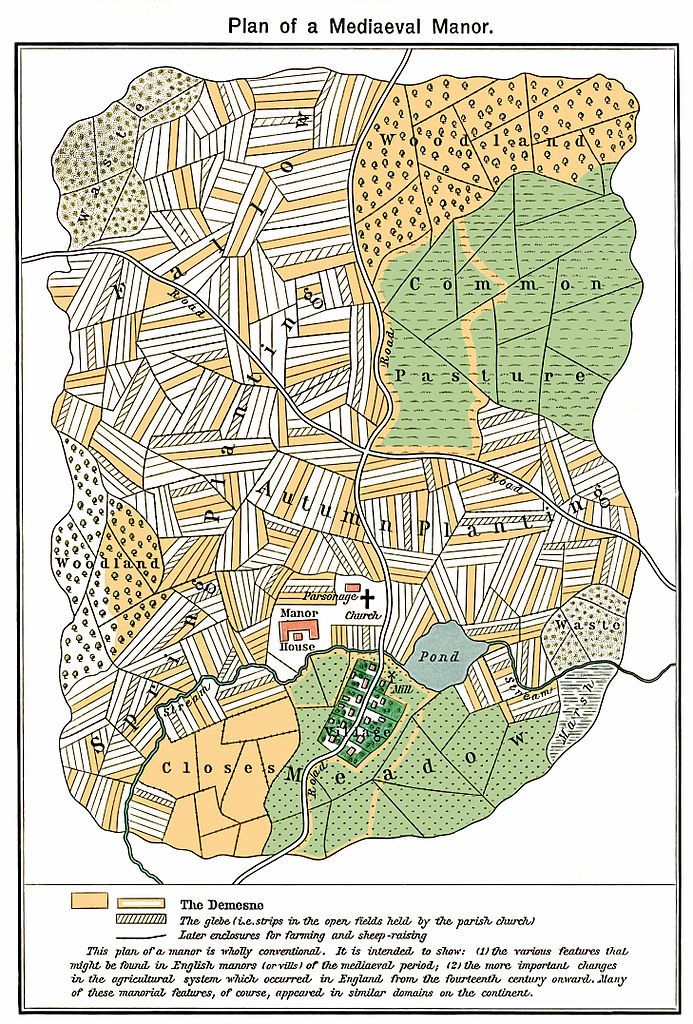
"Waste" was land without value as a farm strip – often very narrow areas (typically less than a yard wide) in awkward locations (such as cliff edges, or inconveniently shaped manorial borders), but also bare rock, and so forth. "Waste" was not officially used by anyone, and so was often farmed by landless peasants. At the onset of Solo Show, ideas of anti-enclosure as a practice were not explicit but present none-the-less.
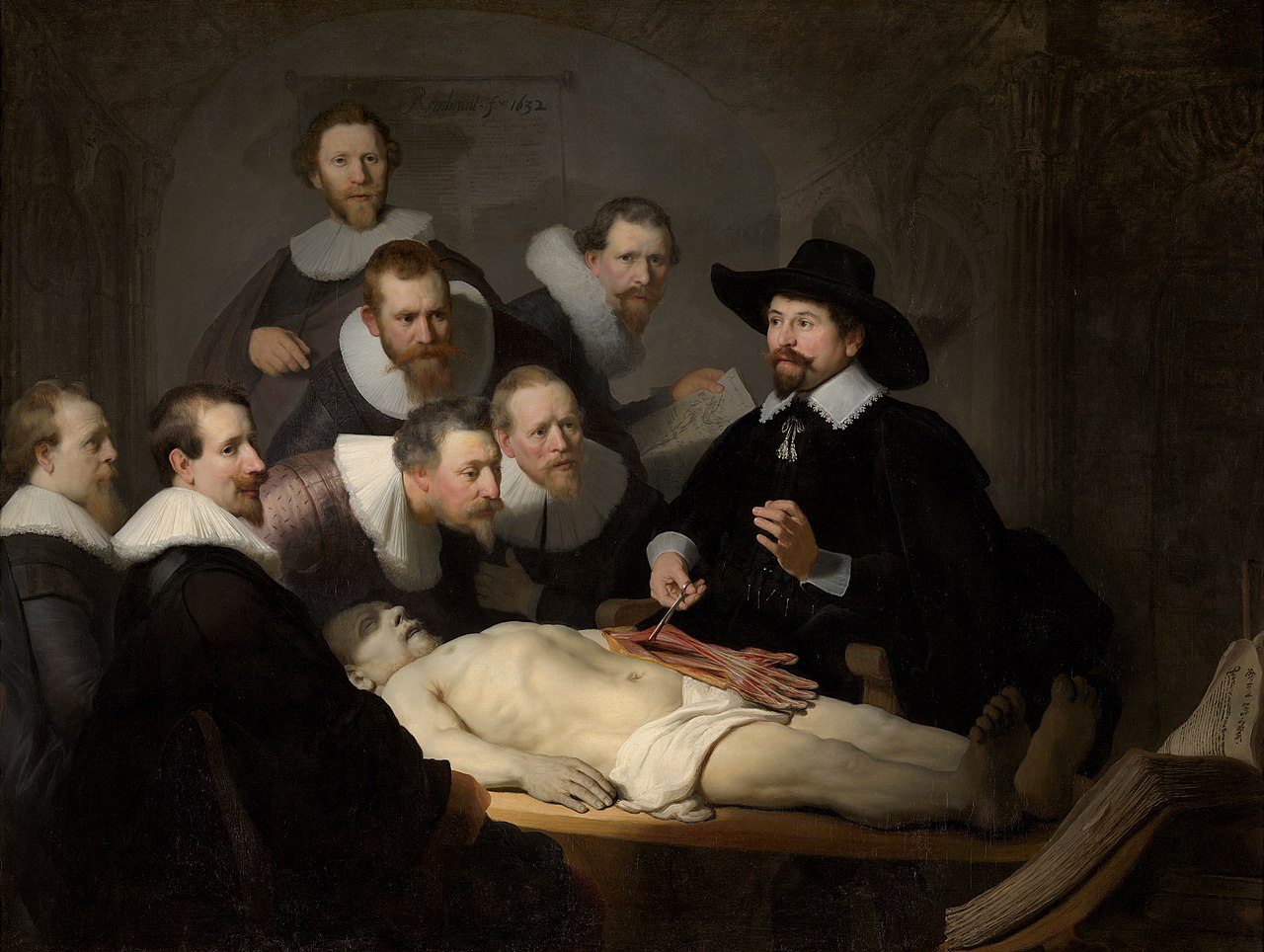
The enclosure acts that in effect established the legalities of capital were primarily laws in relation to property and the solidification of private property. The creation of private property required forms of mapping. This occurrence was doubled in a way for those of the poor and working class as they were subjected to the new industry of anatomy, in that those hanged or executed otherwise were subjected to dissection by the guild of surgeons. Dissections and executions were both public and theatrical, designed to establish and reinforce power structures and class. Dissections were performed at festivals and directed in such a way that was meant to be humiliating and disparaging, as the bodies were laid naked and cut open an air of humor and intrigue would keep the crowd. For this reason, the family and friends and of the working class and poor in general would often storm the gallows in attempts to take the bodies in order to save them from the dissection by the surgeons. This system of punishment worked as a bodily and mental enclosure. And soon due to the rising demand for bodies to study and processes for the industry of anatomy, a demand that eventually led to the industry of corpse stealing.
The dissection, mapping out,and partitioning of the Commons to the elite as a reaction to the collapse of feudalism created a vacuum which was filled by the dependency on wage labor in order to “make a living”. Certain aspects of enclosure and its correlated need for mapping can be seen to have connections to the emergence of vectoral oppression. As it would only make sense that the switch from feudalism was brought about through enclosure the same would be seen in the switch from capitalism to that of the vector, though of course this is not a smooth, clear , even transition and perhaps transition is the wrong word by rather a new super layer is added . These new systems of enclosure function through data and therefore can often seem invisible, (at least to particular individuals within western cultures). The malaise of vectoral enclosure results in many variegated forms of mental illness, physical illness as well as social,and environmental degradations. As rendered through the birthed-impositions of life within the generalized-market (which can be replaced with that of the generalized-crisis, as there are no distinctive markings separating the two perhaps one is the symbol of the other in this mirrored fashion), normalization of the needed requirements is sewn in at every level, in such a way that it near impossible if at all to escape the orbit of this reason. Reason in this sense meaning the myth of positive reason within the cybernetic loop (closed in), the manufactured homoekonomikus implicitly, perhaps even cheerfully working overtime in the landfill of contemporary workspace, atomized and siloized, a battery.
There are various parallels to particular enclosures that are occurring today in the shifts and patchwork jumps from capitalism into vectoral oppression. These enclosures are asymmetrical and unevenly distributed but follow the algebra of colonial abstraction leveraging the majority of its weight in areas of the developing world which are diffuse and without borders. The tantalian-subjects are subjected to enclosures that are heavily layered in the psychopolitics of vectoral idology. [NEXT] ❥